You’re looking at $150, $350 per square foot for a master bedroom and bathroom addition, with second-floor projects costing more due to structural reinforcement, HVAC routing, and new plumbing demands.
A 300-square-foot suite typically runs $60,000, $90,000, while a 400-square-foot space reaches $80,000, $120,000.
The bathroom alone can swallow $15,000, $50,000 through plumbing, waterproofing, and finish materials like porcelain casters or natural stone upholstery surrounds.
Your final price hinges on five specific factors you’ll need to weigh before committing.
First Floor or Second Floor: Which Costs More?
If you are weighing a first-floor master suite against a second-story addition, you will quickly notice that ground-level projects typically run about $200 to $350 per square foot, while upstairs expansions demand more. You will face steeper cost drivers with a second story master suite addition, including structural reinforcement, new plumbing, and HVAC routing through existing walls.
Your structural work must satisfy local code for load-bearing capacity, often requiring steel beams or enhanced framing. You should anticipate a realistic timeline extending beyond three to six months, as engineering approvals and inspection schedules constrain progress. Regional labor premiums, especially in the Northeast, add 15% to 25% above national ranges, and you will feel this markup more acutely on complex second floor builds.

VINTAGE AESTHETICS: Elevate your space with moody elegance featuring our floral velvet curtains. Adorned with dramatic blooming roses and gilded foliage set against rich dark background, this design draws inspiration from timeless botanical art. The hand-drawn pattern seamlessly blends vintage cottagecore romance with modern dark academia style, offering a bold, sophisticated look that balances nostalgia and contemporary luxury.

The 3 inch wide frame has a sleek and clean white finish

Unique Design: Followed by our trending boho curtains,Lino Rosa launches another beautiful designer curtains.Featured grid-like floral block print design,A lovely pattern you”ll love.Lino Rosa respect original ideas and hate copy.
Master Suite Cost Per Square Foot by Size
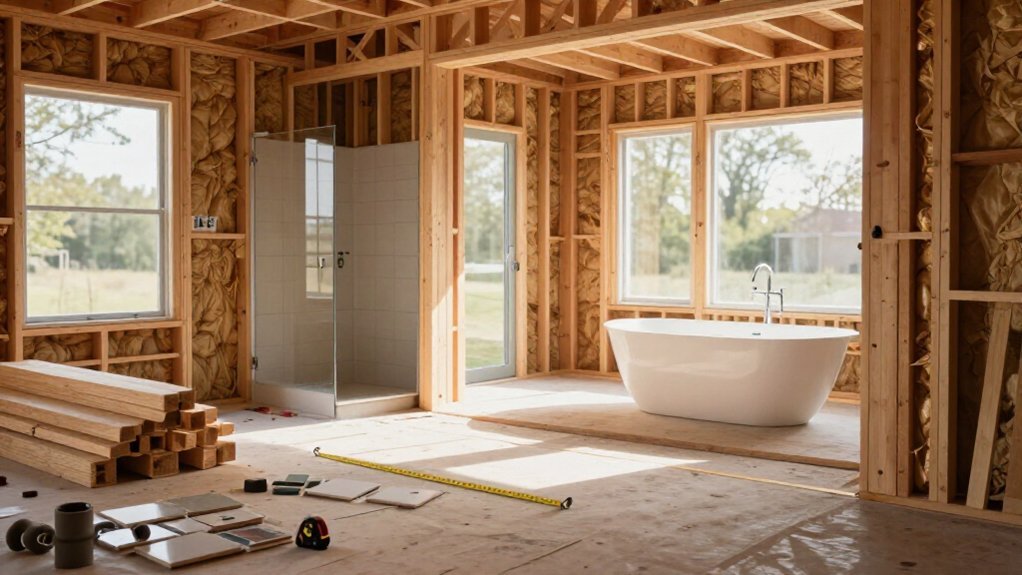
You’ll typically budget around $200 per square foot for a master suite addition, though your actual bids can swing from $150 to $350 or higher depending on how complex your build gets and what finishes you select. A 300-square-foot space usually runs $60,000 to $90,000, while a 400-square-foot suite often lands between $80,000 and $120,000, with costs climbing when you add tile-intensive bathrooms or upgraded fixtures.
Keep in mind that your per-square-foot rate reflects more than just size, since plumbing, waterproofing, venting, and millwork push these projects well beyond what a simple bedroom-only addition would cost.
Cost Per Square Foot
Most master suite additions run about $200 per square foot, though you’ll realistically see bids from $150 to $350 depending on your finish choices and structural complexity. Your cost per square foot shifts upward when you include a full master bathroom, since plumbing, waterproofing, venting, and tile commonly add $15,000 to $50,000 to your master suite addition cost.
You’ll find that a 300 sq ft addition typically ranges from $60,000 to $90,000, while 400 square feet pushes toward $80,000 to $120,000. If you want a walk-in closet, expect that square footage to factor into your total bedroom and bathroom scope.
You should hire a licensed contractor to get an accurate average cost, especially in the Northeast, where you’ll pay 15% to 25% above national ranges for your cost to add space.
Size-Based Budget Examples
Because your project’s square footage drives nearly every line item in your budget, you should start with a realistic size estimate before you price fixtures or finishes. Adding a bedroom or master bedroom and bathroom combination creates a broad range of costs, and you’ll find addition cost per square feet typically runs from $150 to $350 or more.
For a 300-square-foot primary suite addition, much does it cost? You should plan around $60,000 to $90,000. A 400-square-foot space usually pushes your bedroom addition cost toward $80,000 to $120,000, depending on size and finish level. Heated floors, tile upgrades, or structural tie-ins raise your price even when dimensions stay fixed.
You can expect modest return on investment, but you must weigh comfort against exact material specifications.
Why the Master Bathroom Eats Half Your Budget
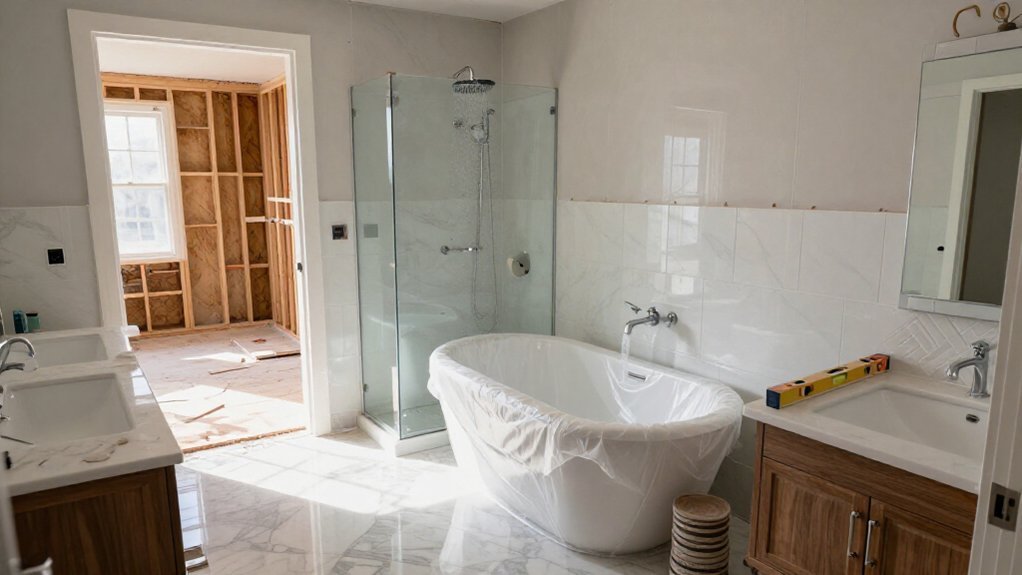
You’ll find that plumbing complexity costs, waterproofing requirements, and fixture and finish prices quickly consume your master suite budget when you plan a full en-suite bathroom. Moving supply lines, installing drains, and adding venting demands specialized labor.
Waterproofing membranes and tile installation require careful attention to prevent moisture damage. Your choices in casters, upholstery-grade vanities, and premium fixtures can push a basic $15,000 bathroom toward $50,000 or more, so you should weigh each upgrade against your total project scope.

✨【Versatile 2-Piece Modular Design & Custom Layout】 Experience ultimate flexibility with our professional modular closet system. This set includes a 36" garment tower and a 36" mirrored cabinet that can be configured as a seamless 61-inch integrated unit or two freestanding organizers. Whether you are optimizing a master suite or a walk-in closet, the reversible layout adapts perfectly to your unique architectural space, offering a high-end, custom-built look.

🏠[97” Ultra-Large 3-Piece Modular System] This expansive 8.2FT closet system features a professional 3-piece modular design, including two 36-inch garment towers and one 25-inch mirrored cabinet. The reversible and flexible layout allows you to customize the configuration as 1 integrated 97-inch large unit or 3 freestanding storage organizer to perfectly fit your master bedroom or walk-in closet space.

✨【Versatile 2-Piece Modular Design & Custom Layout】 Experience ultimate flexibility with our professional modular closet system. This set includes a 36" garment tower and a 36" mirrored cabinet that can be configured as a seamless 61-inch integrated unit or two freestanding organizers. Whether you are optimizing a master suite or a walk-in closet, the reversible layout adapts perfectly to your unique architectural space, offering a high-end, custom-built look.
Plumbing Complexity Costs
When you’re planning a master suite addition, the bathroom will likely consume half your total budget, and plumbing complexity is the primary culprit behind that disproportionate cost. Your en-suite bathroom demands new supply lines, a main drain connection, and venting, plus waterproofing and slope for shower installs.
If you can’t tie into existing plumbing nearby, you’ll face longer pipe runs, slab penetrations, and possible HVAC re-routing. A vent fan and code changes, such as upgraded CO detectors or energy-compliance requirements, add labor and inspection overhead.
You’ll see quotes vary dramatically based on plumbing scope alone: placing your bathroom near existing lines keeps a ~400 sq ft suite near $120,000–$170,000, while relocating plumbing pushes costs toward $170,000–$240,000+ through added demolition, connection work, and restoration.
Waterproofing Requirements
Plumbing complexity sets the stage, but waterproofing is what makes your bathroom the budget heavyweight in any master suite project. You will spend $15,000 to $50,000 on master bathroom additions largely because waterproofing demands extensive labor and materials.
You must install a waterproof membrane across all wet-area seams, corners, and behind every tile surface to block moisture through grout lines. Your plumbing preparation includes subfloor reinforcement, drain/venting integration, and waterproofing around penetrations where pipes and valves breach the membrane.
You will use waterproof-rated backer boards, apply specialized sealants at all joints, and schedule inspections. Tile waterproofing failures cost thousands to repair, so you cannot skip these steps. This is why your bathroom consumes half your master suite budget.
Fixture & Finish Prices
Because the finish stack drives your bathroom budget more than square footage alone, you’re looking at $15,000 to $50,000 for a standard en-suite and $40,000 to $50,000-plus once you select premium materials. You must recognize that the bathroom alone within your master suite often consumes half your total addition budget, and this cost escalation stems directly from your fixture and material choices.
Your luxury suite demands careful comparison across these finish decisions:
- Double vanity units with custom cabinetry multiply costs through plumbing rough-ins and hardware upgrades
- Premium shower systems, including custom tile enclosures and frameless glass, require specialized waterproofing membranes and inspection
- High-grade fixtures and faucets necessitate pro-grade installation labor
- Custom tile layouts expand substrate preparation and backer board requirements
- Heated flooring and upgraded lighting add thousands but deliver measurable comfort returns
Timeline Traps: Permits, Weather, and Hidden Delays
Although you might expect a master suite addition to wrap up in three to six months, zoning review and permitting alone can stretch your timeline by four to sixteen weeks, and that estimate assumes your municipality moves at a typical pace. Once performed, this zoning review can be triggered by minor plan changes, and a block including submitting revised drawings may leave you unable to access your own project timeline.
Some homeowners hire a security service to protect materials, but if a paperwork error triggered the security solution of a stop-work order, you’re paying addition cost per day for idle crews. Additions take longer than estimates suggest. Weather delays halt foundation work, framing, and roofing. Design lead times add four to ten weeks, and long-lead materials like custom tile or windows arrive late. Code issues, drainage problems, or utility limits force redesigns mid-process.


✅Exact same product as seen on my You-Tube videos about shower waterproofing ! ! !

Reliable Moisture Protection - It features a pliable, sheet-applied membrane with a modified polyethylene (PEVA) core, and non-woven polypropylene on both sides, ensuring robust waterproofing and vapor retardation.
How to Cut Costs Without Cutting Corners
If you want to trim your master suite budget without sacrificing quality, you’ll need to make strategic trade-offs in location, materials, and timing rather than simply accepting the first estimate.
Keep the new bath near existing plumbing to avoid expensive drain relocations that inflate the $15,000–$50,000 bathroom portion. Convert existing space where possible, since a bump-out addition is usually less than building new, often saving tens of thousands on structural shell and roof tie-ins.
Select mid-range finishes for flooring, tile, and cabinetry rather than premium upgrades that push costs past $200 per square foot. Plan closet space, fixture placement, and standard window specifications early, and hold a 10%–20% contingency to absorb permit revisions and weather delays.
Lock in long-lead orders and minimize change orders to prevent schedule-based overruns during the typical 3–6 month build.

Built-in Screen Mesh: The HG Power 4 inch vent cover features a built-in screen mesh that allows fresh air to circulate while protecting your environment and enhancing your quality of life

Speedi-Exhaust Products are made in the USA

Adjustable periscope from 18" downward to 0" for a direct or slightly offset alignment behind dryer
Will Your Addition Pay You Back? Resale Value Explained
Once you’ve locked in your budget and timeline, you’ll want to weigh whether this investment strengthens your home’s market position or simply serves your immediate needs. Your addition cost becomes a starting point for calculating resale value, though primary suite additions often function as lifestyle investments first.
You’ll typically recoup 50%, 65% of addition cost in resale value, but bedroom is usually the driver, and bathroom and closet space anchors buyer interest. Labor often consumes significant budget, and finish level directly impacts returns; high-end materials that exceed neighborhood standards can actually limit recovery. Local pricing varies, so you’ll need to compare against area comps.
Your bathroom build-out, typically $15,000, $50,000, can boost appeal substantially if you avoid overbuilding. Match your specifications to market expectations, and you’ll optimize value retention.

Privacy Door Lever (keyless): Privacy door handles interior are ideal for bedroom, bathroom, or any room where privacy is essential. Locked inside with a thumb-turn and opened outside with a coin for emergency release.

Rustic Wood Vanity Mirror: Wooden frame in with subtle for a rustic touch;This farmhouse style wall mirror can keep your space looking country,and add a touch of vintage flair in your house

READY MADE: 2 panels sheer curtains per package. Each panel is 54" wide and 96" long when hanging as a flat. One of the grommets' inner diameter is 1.6". Purchase curtain whose width is 1.5-2 times wider than your window will form a nice look.