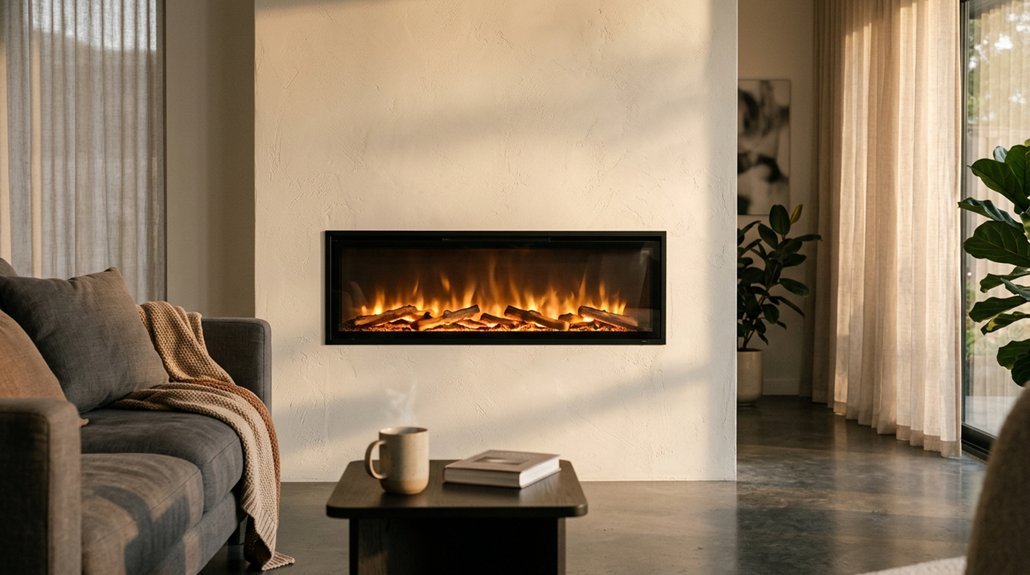
You probably didn’t know that a fabric’s Martindale rub count, not thread count, determines whether your sofa survives five years or fifteen. That number, printed on upholstery tags you’ll likely ignore, measures abrasion resistance in cycles: 15,000 suits occasional use, while 40,000+ withstands daily punishment from pets, kids, and casters.
Cleaning codes matter just as much. Code W lets you wipe stains with water, but Code S demands solvents or professional treatment, and one wrong product ruins the finish permanently. These labels hide in plain sight, yet they dictate every maintenance decision you’ll face.
Choosing blindly costs you thousands in premature replacement, so you need the full picture before you commit.
Sofa Fabric Labels Decoded: Rub Counts and Cleaning Codes
Before you commit to new upholstery, you’ll want to flip the swatch and decode two critical labels. The Martindale rub test and the cleaning code tell very different stories about how your sofa will survive real life.
The Martindale rub test measures abrasion resistance, and you’ll see ratings from 15,000 cycles for typical domestic use up to 40,000+ for commercial-grade durable fabrics. Heavy-duty households should target 25,000 cycles or higher.
The cleaning code protects fabrics from chemical damage. You’ll find W for water-based cleaning, S for solvent-only, W/S for either method, or X for vacuum-only. You might assume durable fabrics handle any treatment, but high rub counts don’t guarantee cleaner compatibility. Prioritize code W or W/S performance fabrics, so you can spot-clean with mild soap or wipe with a damp cloth when accidents strike.

Nano-Coated Fiber Technology – Our chair fabric upholstery features polyester fibers embedded with nano-level protection that repels spills and grime at the core — not just the surface. With AquaClean water-cleanable performance, most stains can be lifted with just a damp cloth or steam — no harsh solvents or spray cleaners needed.

Suitable for upholstery, chairs, tablecloth, couch, pillows and seat, sofa, reupholstery
Best Sofa Fabrics for Homes With Pets or Kids
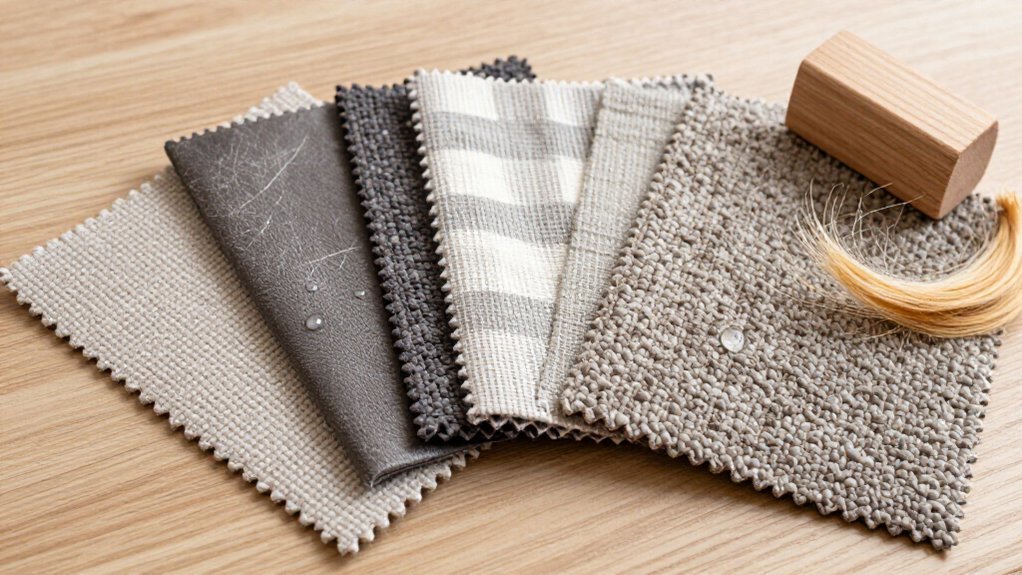
Because you’re living with pets or kids, you’ll need upholstery that survives daily chaos without looking battle-worn. That means scrutinizing weave structure, cleaning codes, and abrasion ratings before you buy.
Choose tight-weave performance fabrics, typically polyester or microfiber, since their smooth surfaces resist pet hair accumulation and offer superior stain resistance compared to loopy textures.
Verify Code W cleaning protocols and target 30,000+ Martindale cycles for proven abrasion resistance in high-traffic family spaces.
Consider high-quality leather for odor-resistant, wipe-clean convenience, though scratches may develop and require occasional buffing.
Avoid high-pile velvet and bouclé, as these snag-prone surfaces trap fur and show wear rapidly. Maintain your performance upholstery by vacuuming weekly with a soft brush attachment, blotting spills immediately without rubbing, and layering washable throws over pet-preferred zones.

INSTANT "NO-WASH" FABRIC RESTORATION: Forget the nightmare of stripping off sofa covers or renting heavy cleaning machines. Our rinse-free formula couch cleaner is specifically designed for use on fixed upholstery. Whether it’s a fabric couch, oversized armchair, headboard, or decorative throw pillows, spray, wipe, and watch the stain vanish. It effectively cleans small, isolated spots without leaving watermarks, making it the perfect solution for maintaining high-end furniture without the hassle of disassembly

PENETRATES DEEP INTO FIBERS: ForceField Fabric Cleaner works intensely to lift and remove the toughest soils and stains from water-safe materials. It effectively tackles both old, deep-set grime and fresh oil or water-based stains.

Our Vintage Suede upholstery fabric is a medium-weight microsuede fabric with a very soft hand. This vegan faux suede fabric is perfect for home decor interior design upholstery; suitable for duvet covers, pillows, cushions, tablecloths, and furniture. Usually, an expensive fabric but here is the best price and the most durable type of fabric you can purchase. This heavy-duty fabric is ideal for furniture that will see a high volume of use or spills. 100% Vegan.
Linen Sofas: Elegant But High-Maintenance-Is It Right for You?
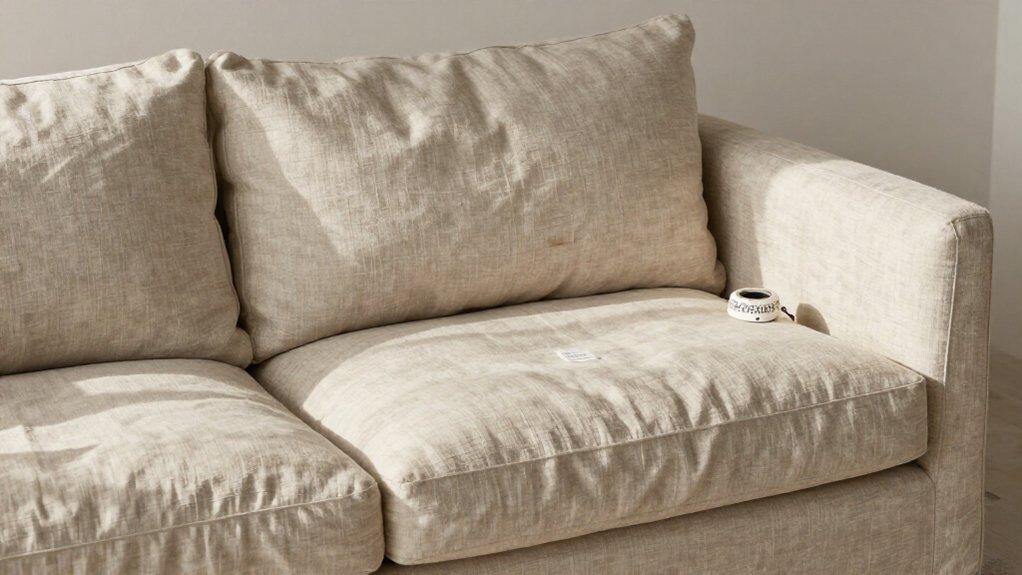
You’ll find linen upholstery offers an elegant, breathable natural weave that suits adult-oriented, lower-traffic spaces, though its ~15,000 double-rub rating and propensity for wrinkling demand careful consideration. Regular vacuuming, mild soap spot-cleaning, and adherence to Cleaning Code S protocols are essential, since water-based methods risk rings and water-based stains set quickly on this delicate fiber.
If you’re committed to linen’s aesthetic, invest in removable slipcovers, fabric protectants, and prompt spill blotting, but recognize you’ll trade the easy maintenance of polyester or performance microfiber for linen’s distinctive, lived-in character.

WATER CLEANABLE PERFORMANCE – Designed for water-based spot cleaning to support routine maintenance.

Cushion Fabric: 100% polyester canvas fabric, known for durability, scratch resistance, and anti-pilling properties. Remarkable color fastness ensures that upholstery fabric remains resistant to fading, even with prolonged use. (❗Note❗ If it will be exposed to direct sunlight for a long time, give priority to fabric in light color schemes or natural tones.)

WATER REPELLENCY: Recommended by Sunbrella, a leading outdoor fabric manufacturer, 303 Fabric Guard restores waterproof fabric to factory new levels when applied to clean & dry fabrics while also defending against spills.
Linen’s Best Settings
On a sunlit morning, linen upholstery catches light through its open weave, offering that crisp, breathable look you’ve seen in design magazines. Yet you’ll feel every wrinkle settle in and notice wear patterns emerge faster than with synthetic blends. You’ll want to reserve pure linen for low-to-medium traffic spaces, adult-only rooms, or formal guest areas where spills stay rare and daily abrasion stays minimal.
Position linen sofas away from high-traffic zones, since this natural fiber lacks the durable resilience of tightly woven synthetic upholstery fabrics.
Choose performance blends over pure linen if your household demands frequent use, as engineered fabrics improve stain tolerance without sacrificing looks.
Follow care instructions closely, vacuuming regularly and addressing spills immediately to preserve your investment’s lifespan.
Linen rewards deliberate placement, not everyday endurance.
Care Requirements Explained
Although linen upholstery offers that coveted, airy aesthetic you’re drawn to, it demands a maintenance commitment that synthetic alternatives simply don’t require. When choosing a fabric, you’ll find most linen upholstery types carry Cleaning Code S, so you must dry-clean them; water-based methods risk rings and damage.
This fabric guide notes linen’s ~15,000 double-rub rating, which suits lower-traffic, adult-only spaces but falters in active households. You can extend longevity through regular vacuuming with a soft brush, mild soap spot-cleaning, and avoiding heavy spills unless you invest in a removable slipcover or fabric protectant. A performance finish helps, yet linen still isn’t easy to clean.
If you crave linen’s look with simpler care, select a linen blend over 100% linen; synthetic content boosts durability and cleanability notably.
Cotton and Cotton Blends: Comfortable, But How Durable?
You should look for cotton upholstery with a tight twill weave if you want decent everyday strength, since that structure resists wear better than looser weaves. You’ll get improved stain resistance when you choose cotton-polyester blends over pure cotton, and you should always check the cleaning code before you treat any spill.
For residential use, aim for a Martindale rating around 20,000 to 30,000 double rubs, and follow the tag’s instructions whether it specifies water, solvent, or both.

❤Take Shape Instruction❤ The sofa was compressed for smart shipping.To restore the original shape, allow it to expand for 3-5 days.Additionally,you can use a steamer to expedite the recover process and elimiinate wrinkles in the cover

100% Waterproof:Our 5-layer structured sofa cover brings you true full waterproof performance. It shields your couch from spills, stains and pet messes, keeping your furniture away from liquid penetration and permanent damage. Perfect for households with lovely kids and playful pets.
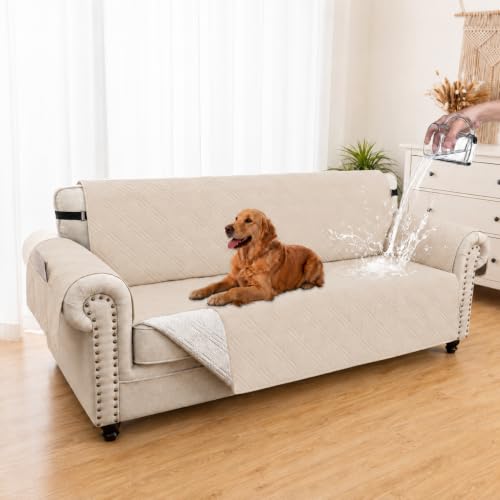
100% Waterproof:Our 5-layer structured sofa cover brings you true full waterproof performance. It shields your couch from spills, stains and pet messes, keeping your furniture away from liquid penetration and permanent damage. Perfect for households with lovely kids and playful pets.
Twill Weave Strength
The diagonal-thread construction of twill weave gives cotton and cotton-blend upholstery a noticeable edge over looser weaves, since those interlaced fibers resist abrasion and daily wear far better than plain-weave alternatives. You’ll find twill sofa upholstery highly durable when tightly woven, typically rating 20,000 to 30,000 Martindale double-rubs for casual daily seating. Cotton blends outperform pure cotton by reducing fading, wrinkling, and pilling, making them a practical, comfortable choice.
Check fabric Cleaning Codes before buying, and aim for water-safe ratings like W or W/S on performance blends for safer spot-cleaning. Regular vacuuming keeps fabric looking fresh by removing surface debris that accelerates wear in high-contact areas. Gently de-pill brushed twill surfaces as needed, since lower-quality weaves can develop fuzz over time.
Stain Resistance Tips
Cotton and cotton-blend upholstery offers immediate comfort, yet you’ll need to weigh this against its inherent vulnerability to stains and soiling. Unlike performance velvet or other synthetic fabrics, cotton lacks inherent stain resistance, so spills penetrate quickly into woven fabrics.
You’ll want to check the Cleaning Code before attempting any upholstery care: Code W permits water-based cleaning, while Code S demands dry cleaning only, since water risks permanent rings on cotton. Prioritize tighter weaves like twill for better durability, as loose constructions snag and stain more readily in active households.
Blot spills immediately without rubbing, vacuum regularly with a soft brush attachment, and consider washable slipcovers if daily use is expected. Higher double-rub ratings, around 30,000, indicate cotton blends that withstand abrasion better than basic options.
Wool and Wool Blends: Natural Stain Resistance That Ages Well
Though wool demands a higher initial investment than some upholstery options, you’ll find its natural resistance to stains, wrinkling, and fading justifies the cost over years of daily use. When you explore sofa fabric types, wool stands out among natural fibers because it handles abrasion better than linen, and it ages well without pilling.
To choose the right material, consider these factors:
- Wool blends combine natural fibers with synthetics for easier spot cleaning and added durability
- Tightly woven wool resists damage better than loose, highly textured weaves
- Always check upholstery specs like Martindale rub tests and cleaning codes, since cleanability varies by blend
If you want the best fabric that balances beauty with practicality, wool delivers restrained style and proven performance, but verify the finish matches your household’s demands.

STAIN REMOVER: CLR Brands Automotive Carpet, Upholstery & Fabric Cleaner is a fast-acting and versatile auto interior cleaner and stain remover. Specifically automotive carpets, seats, and headliners.

Gia is a Jacobean floral printed on chenille. This large-scale design is full of whimsy and multicolor. 100% Polyester, Lightweight, Fabric Direction; UTR

Gia is a Jacobean floral printed on chenille. This large-scale design is full of whimsy and multicolor. 100% Polyester, Lightweight, Fabric Direction; UTR
Silk Sofas: When to Choose Beauty Over Practicality
You should reserve silk upholstery for formal rooms that see minimal daily traffic, since this delicate fabric demands professional cleaning and carries strict Code S care requirements.
If you place a silk sofa in a high-use space, you’ll face unavoidable damage from spills, pet messes, and routine wear that water-based cleaners cannot safely address.
Consider whether you can commit to ongoing professional maintenance, or explore silk-style alternatives that mimic the polished look without sacrificing practical wipe-clean performance.

Versatile Applications: Ideal for a variety of upholstery projects, including sofas, chairs, pillows, and vehicle interiors, our micro-suede fabric offers versatility to suit your needs.

Nordic style faux cotton and hemp fabric, Slub knot pattern weaving, Simple lines allow you to easily enjoy the rhythm of life!

Formal Room Placement
Because silk upholstery demands careful handling, you’ll want to reserve it for formal living rooms or adult-only spaces where daily wear remains minimal. When you choose the best seating for these settings, you’ll compare silk against alternatives like a velvet sofa or leather sofas, testing durability against your actual lifestyle needs. Silk upholstery excels in visual appeal, but you’ll sacrifice practicality for that beauty.
Consider these placement guidelines:
Position silk seating away from high-traffic pathways, windows with direct sunlight, and food service areas. Pair silk with protective casters or strategic furniture placement to minimize accidental contact. Limit silk to spaces where you entertain guests monthly rather than daily family lounging.
You’ll extend silk’s lifespan notably by treating it as display-worthy upholstery rather than everyday seating.
Professional Care Required
If you choose silk upholstery, you’ll commit to a maintenance routine that demands professional intervention rather than quick home remedies. In real life, fragile silk resists DIY cleaning, and silk fibers can sustain permanent damage from improper cleaners, so you must follow strict dry-clean-only codes.
Unlike velvet upholstery, which often tolerates gentler home maintenance, silk requires professional care for every significant spill. For homes with kids or pets, this fabric presents a beauty over practicality compromise, since set-in stains and odors become nearly impossible to remove without specialist treatment.
Silk’s luxury comfort suits low-traffic formal spaces where spills remain unlikely. If you desire silk’s appearance with reduced risk, consider durable performance alternatives, such as Code W microfiber or polyester blends, for everyday lounging situations.
Polyester and Microfiber: Budget-Friendly Workhorses
Although polyester upholstery is rarely the star of a showroom floor, it earns its keep in busy households where practicality matters more than prestige. You’ll find it blended into countless sofas precisely because it resists wrinkling, crushing, and fading better than many pricier alternatives. Microfiber, made from ultra-fine polyester, offers a suede-like feel that resists staining while remaining softer than untreated naturals. Both materials hold up well under daily use, especially when you select performance-grade options with Martindale rub ratings of 30,000+ cycles.
- Check your cleaning code; most polyester and microfiber carry Code W, meaning you can wipe with a damp cloth for routine maintenance
- Blot spills immediately without rubbing to prevent fiber damage
- Sprinkle baking soda for 20 minutes, then vacuum to refresh odors without harsh scrubbing

CARPET CLEANER: Carpet & Upholstery Cleaner works by loosening the dirt and stain molecules that latch onto fibers. This is done by spraying the cleaner onto the dirty surface and allowing it to soak. The molecules in the product vibrate and detach the contaminated particles allowing them to be easily wiped or scrubbed away.


Powerful Foam Action: Lifts and removes tough stains, dirt, and grime from upholstery, fabric, and carpets.
Nylon and Olefin: Tough Enough for Daily Heavy Use
Polyester and microfiber handle everyday life well, but some households need upholstery that takes even more punishment. You should choose Nylon when you want one of the strongest fabric options available, since it resists staining, fading, crushing, and pilling through daily wear.
For spaces with truly heavy traffic, Olefin delivers performance-grade toughness against abrasions, stains, sunlight, and chemicals. Both fibers work best suited in durable blends or performance constructions that preserve appearance over time.
To find the right fabric for demanding settings, you must check the rub count, targeting 25,000–40,000+ double rubs on the Martindale scale. These synthetics also simplify your maintenance routine, supporting quick spot cleaning instead of the delicate handling that natural fabrics require.

【Quality Material】This product is made from premium 100% polyester fabric, this canvas fabric is lightweight, tough, and can offer you an excellent durability, abrasion resistance, and tear resistance using experience to ensure your long-lasting use.

1.【High Quality Marine Grade Vinyl Material】Our Marine Vinyl Fabric is the most ideal waterproof material at present. It is almost as soft as leather, and has stronger scratch resistance, waterproof and durable.55" Width,Thickness 0.4 ± 0.6mm,Easy to use in corners, cracks and corners.

CRYSTAL-CLEAR WATER AND SNOW REPELLENCY: Advanced hydrophobic nano coating repels water, snow, and liquid stains while remaining invisible and breathable on fabric.
Velvet Sofas: Luxurious Feel, Unexpected Durability
Because velvet catches light across its piled surface, you’ll notice a shifting depth and shine effect that gives sofas an immediate sense of luxury, though this same plush texture demands you understand its practical limits before committing to it as your upholstery choice.
Performance velvet, often polyester-based microfiber, withstands 40,000+ double rubs, so you’ll get durability without sacrificing that luxe look. Traditional velvet develops a rich patina over time, though it remains prone to wrinkling and pile crushing with heavy use.
Performance velvet offers lasting durability without compromising luxury, while traditional velvet ages beautifully but requires gentler use.
You’ll need to vacuum with a soft brush attachment, since velvet attracts lint and fur aggressively, and you must check your cleaning code before applying any water or solvent.
Choose performance velvet for busy households, and you’ll balance opulence with practicality.

100% Waterproof:Our 5-layer structured sofa cover brings you true full waterproof performance. It shields your couch from spills, stains and pet messes, keeping your furniture away from liquid penetration and permanent damage. Perfect for households with lovely kids and playful pets.

Kids Couch Flip Open Design with Woodland Animal Print: This kids chair features a cute owl and forest tree pattern on a soft teal background, adding natural playful charm to any room. It is a cozy seating option perfect for kids sitting, reading or watching their favorite cartoons.

2 IN 1 - Perfectly sized sofa bed for kids. Fold-out bottom piece 2 in 1 Flip Open Kids sofa bed, gives childrens the option of lying down flat. Give children to read, play, or folded into a reclining chair and take a nap to provide a more comfortable place.
Leather and Vegan Leather: Patina, Scratches, and Long-Term Value
While leather upholstery demands a higher initial investment than most fabrics, you’ll find it rewards you with a living surface that evolves rather than deteriorates, developing a warm patina that many owners consider its most appealing characteristic. You’ll notice a sofa that looks better with age, though leather does show scratches more readily than woven materials. Many surface marks buff out with gentle conditioning, and you’ll appreciate how spills wipe clean rather than soaking in.
For couch upholstery that maintains consistent color, vegan leather offers an alternative; it’s crafted from 100% nylon and resists fading as it wears. We highly recommend periodic conditioning for genuine leather, and gentle cleaning for vegan alternatives, ensuring either selection delivers lasting value through proper maintenance routines.

Fabric safe brush safely cleans upholstery and carpet fibers Patented fabric-safe brush gently loosens stains and soils Helps repel dirt and stains so fabrics stay cleaner,...