You probably assume a brand-new kitchen guarantees top dollar, but national data shows minor refreshes often outperform full gut jobs at resale.
A 5% to 15% kitchen spend, focused on paint, cabinet hardware, and solid-surface counters, can yield roughly 113% ROI, while upscale overhauls with custom cabinetry and professional-grade appliances typically recoup 50% to 60%.
Your specific market matters more than national trends, so you’ll need to weigh local buyer expectations, your home’s current condition, and whether that renovation budget might work harder elsewhere.
What Type of Kitchen Remodel Actually Pays Off?
When you’re preparing to sell, you’ll want to know which kitchen investments actually return value, and the data points clearly toward restraint. A minor kitchen remodel delivers the strongest resale value nationally, with JLC Cost vs. Value 2025 data showing 113% ROI on an average $28,458 spend, meaning you’ll recoup about $32,141. In the Pacific region, your returns climb even higher to 129% ROI.
You’ll want to focus your renovation on functional updates like countertops and backsplash refreshes rather than gutting the space. Buyers respond to neutral, move-in-ready kitchen spaces, and 57% say preferred kitchen style matters extremely or very much. While 38% of sellers update before listing, you’ll maximize returns by limiting your kitchen remodel scope.
Major remodels underperform markedly, with midrange projects returning roughly 51% and upscale versions only 36% ROI.

Measurements: 3 inch Center to Center with 5 in Overall Length..Please measure your cabinet HOLE CENTERS is 3in before you purchase cabinet handles.

Package Included: 8 x Ceramic Cabinet Knobs. Diameter: 1.3"/34mm, Height: 1.18"/30mm, Bottom Diameter: 0.55"/14mm. M4 x 46mm, M4 x 25mm mounting screws included.

【Enduring & STURDY 】20 Pack cabinet handles Made of High-precision Quality Stainless Steel finished with classic matte black, durable and strong, elegant addition to any home.
Minor vs. Major Remodel: Which Delivers Better ROI?
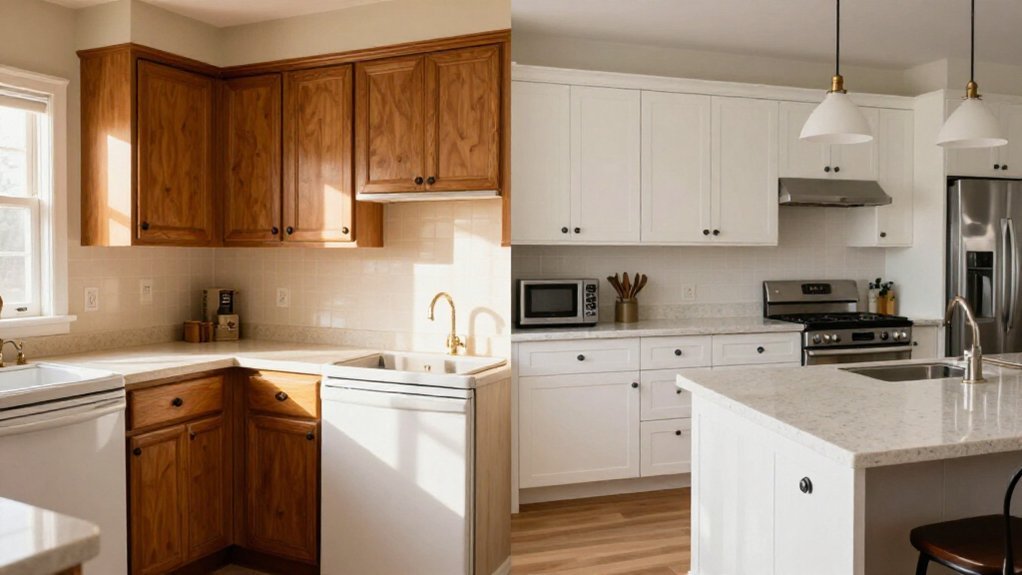
Because you’re weighing how much to invest before listing, you’ll want to see exactly how the numbers break down between project scales, and the contrast is stark. Minor kitchen remodels deliver the strongest Remodel Return nationally at approximately 113%, costing you around $28,458 and returning $32,141 when you home sell.
Updated kitchens with fresh cabinet fronts, countertops, hardware, and matching appliances, plus smart storage solutions, attract buyers without draining your budget. Cost vs. reward plummets with major projects: midrange overhauls recoup merely 51%, while upscale renovations return roughly 36%. You’ll recover less because buyers rarely reimburse the expense of gutting down to studs.
Spending less before resale consistently improves your outcome, whether you’re preparing your kitchen before selling in the Pacific region or elsewhere.

Complete Solid-Surface Care in One Kit: Designed for kitchen and bathroom countertops; professional solution to clean, refresh, and maintain appearance.

CLEAN & PROTECT - MORE Stone & Quartz spray is a 2-in-1 daily cleaner and protector formulated specifically for natural stone and quartz surfaces.

Large Size: Our 5 inch cooking spoon rest is large enough to hold any size spoon, spatula etc. while you're cooking. You can put 2 or 3 wooden spoons on it, or 2 pieces of the silicon utensil set. Keeps your countertops clean and the utensils close at hand
What Do Those 2025 National ROI Numbers Actually Mean?
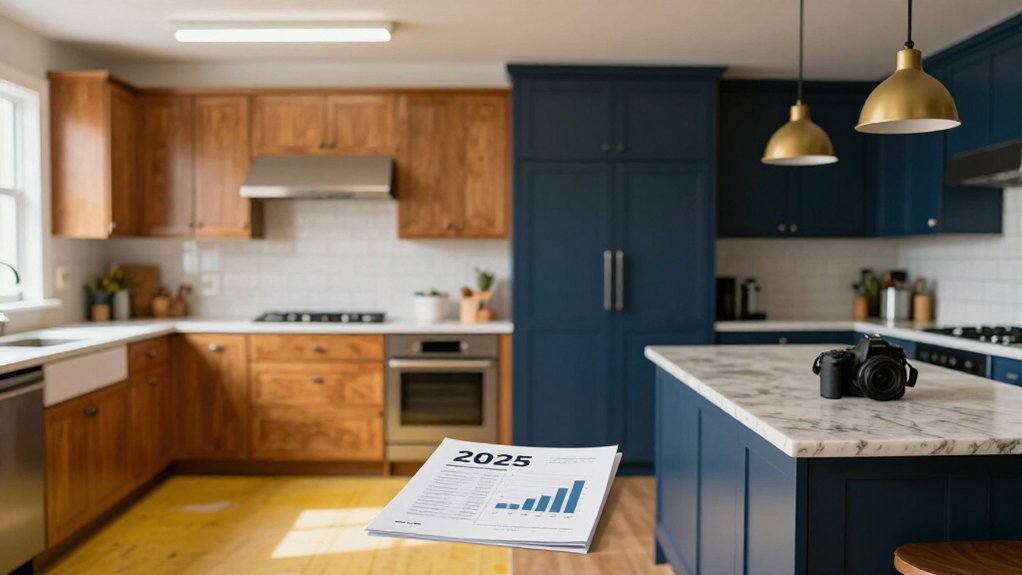
The 2025 JLC Cost vs. Value Report 2025 reveals stark realities about kitchen renovation economics. You’ll see that minor updates deliver a 113% return on investment, meaning you actually gain value, while major midrange remodels recover only 51% and upscale projects merely 36%. These figures indicate that protecting value in an outdated kitchen requires restraint, not extravagance.
Your local market will deviate from these national averages; Pacific region minor remodels hit 129% ROI, but West North Central manages just 94.5%. The value report presents averages, so your actual outcome depends on whether finishes align with home buyers’ expectations and whether your spending matches comparable sales. Overspending creates risk that installed improvements won’t be fully valued.

0.12" UPGRADED THICKER & STURDY: Unlike thin 1mm vinyl stickers, our tiles are 3mm (0.12") thick for a premium 3D feel. Made of PVC, they are 100% waterproof and oil-proof for kitchen stove areas and bathroom vanity backsplashes. (Note: Not for use in shower stalls or areas with direct water contact)
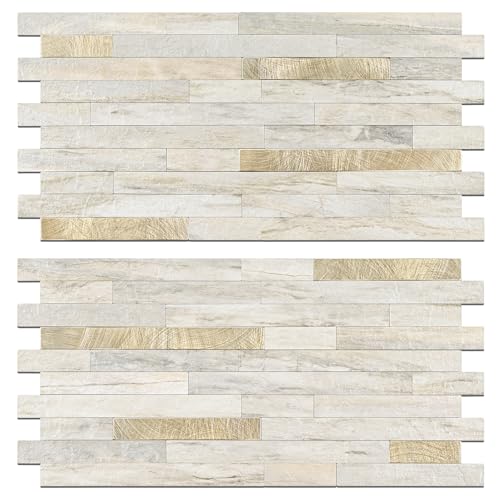
Enhanced Adhesive Strength: Our peel and stick tile improved backing glue ensures a firm grip on smooth and lightly textured surfaces for a lasting upgrade.

𝐒𝐢𝐳𝐞 𝐚𝐧𝐝 𝐂𝐨𝐯𝐞𝐫𝐚𝐠𝐞: Each sheet measures 12''x12''x0.12'', 1 pack contains 1 sheet of premium self-adhesive mosaic tiles (non-magnetic), covering 1 square feet.
Does Your Local Market Reward Kitchen Updates?
How especially your local market rewards kitchen updates depends on regional competition, buyer demographics, and the condition of comparable sales. You’ll find your Return varies sharply by location: minor remodels average 113% nationally, but Pacific regions hit 129% while West North Central dips to 94.5%. This spread means you must research whether your specific market pays up for kitchen investments.
When you’re selling, study your comps closely. If neighboring homes have updated kitchens, your kitchen look must compete for open houses traffic. Potential buyers rank kitchen style extremely important, with 57% calling it a deciding factor. You can boost home value by matching local expectations, particularly newer Energy Star appliances, which 90% of buyers want.
Targeted updates, not full overhauls, often suffice to sell your home.

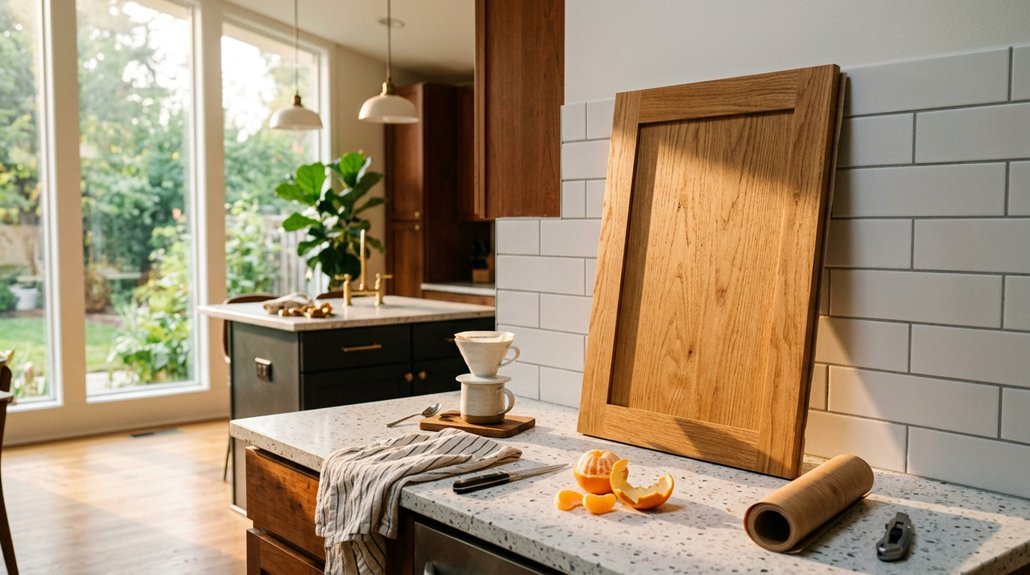
MEASUREMENTS: Measurements are EXACT. This replacement raised panel kitchen cabinet door measures 16.25-inches Wide, 23-inches high, and 3/4-inches thick
MEASUREMENTS: Measurements are EXACT. This replacement raised panel kitchen cabinet door measures 14.75-inches Wide, 23-inches high, and 3/4-inches thick

Should You Fix Other Problems Before Touching the Kitchen?
Once you’ve confirmed your local market rewards kitchen updates, you must weigh whether your money belongs elsewhere first. You should pay close attention to structural red flags, leaky roofs, failing HVAC, and electrical hazards, because a full renovation of your older kitchen cannot mask defects that will surface during inspection and derail your home sale.
If your countertops have water damage or your burners malfunction, prioritize functional repairs over cosmetic upgrades. Buyers prefer clean, working spaces, so targeted fixes like rejuvenating grout or replacing broken cabinet hardware often build more confidence than trendier finishes. Keep upgrades modest if the kitchen is merely dated, paint cabinets and swap lighting rather than demolishing a space that still has underlying issues.

THREE IDEAL SIZES FOR EVERY TASK - This bamboo cutting board set includes three essential cutting board sizes - 15x10”, 12x8”, 9x6” - covering all your kitchen needs. Use the small board for quick fruit prep, the medium for slicing vegetables, and the large for carving meats, rolling dough, or creating an elegant charcuterie board spread.


Can You Afford to Remodel Without Eating Into Your Profit?
Before you choose granite or laminate, you must determine whether your remodel budget will shrink your net proceeds, because national ROI data shows you will likely lose money on upscale overhauls. Minor remodeling projects recoup roughly 113% of costs, but midrange major renovations return about 51%, and upscale overhauls drop to 36% return on investment.
You should limit spending money to 5%–15% of your home’s value, since larger investments rarely match your price point at closing. Financing costs like HELOC interest can further erode profitability. Compare local sold listings to gauge what current buyer preferences actually warrant, and prioritize must-fix repairs in your existing kitchen above cosmetic upgrades. Unresolved safety issues invite value discounts regardless of finish quality.

Measurement: Total Length:2 inch(50mm), Diameter:1/2 inch(12mm) Projection:1-1/4 inch(32mm)
【Enduring & Sturdy 】10 Pack cabinet handles Made of High-precision Quality Stainless Steel finished with classic matte black, durable and strong, elegant addition to any home.

365-Day Evaluation: We believe you'll find value in your Ravinte handles. Use them for a full year, and if they don't meet your needs, we're here to help
Which Low-Cost Kitchen Upgrades Boost Appeal Without Gutting?
You don’t need a full gut job to make buyers notice your kitchen, and that’s good news if you’re trying to protect your profit margin. When you remodel your kitchen on a budget, focus on minor home improvement updates that deliver strong seller ROI.
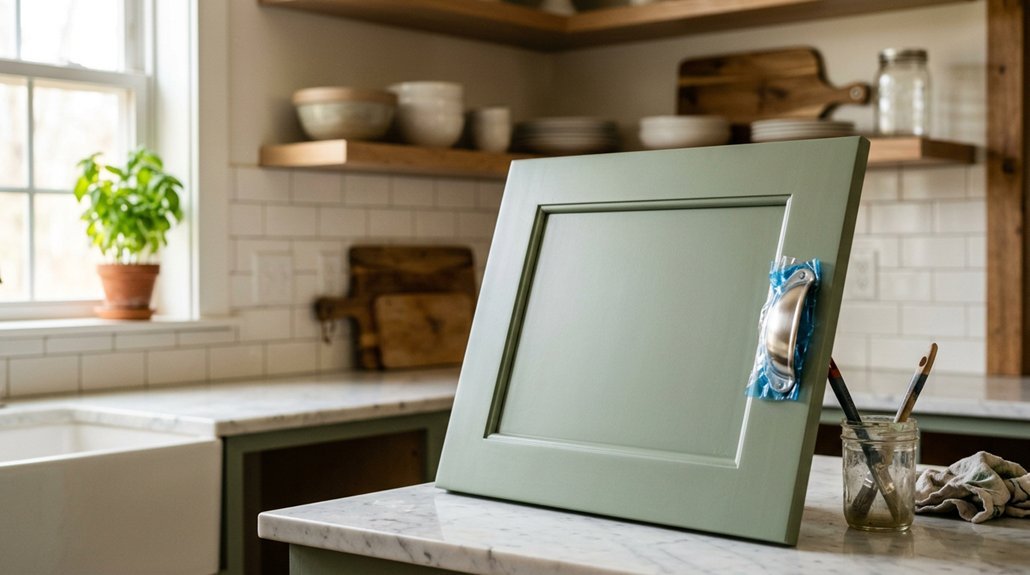
Repaint or refinish your wood cabinets, swap dated hardware, and match appliances for a cohesive look. Install white subway tile as a backsplash; it photographs well and modernizes dated spaces. Add new flooring where existing surfaces show wear, and hang pendant lights over islands or sinks to brighten the room.
Fix leaky faucets, replace dead burners, and repair doors off hinge, since buyers interpret neglect as deeper problems. Organize pantry storage, add soft-close casters to drawers, and refresh grout. These targeted upgrades appeal to buyers without gutting your budget.

Perfect Design Created for the Modern Home, to make life clean, comfortable and orderly.

CLEAN & PROTECT - MORE Stone & Quartz spray is a 2-in-1 daily cleaner and protector formulated specifically for natural stone and quartz surfaces.

𝗗𝘂𝗿𝗮𝗯𝗹𝗲 𝗦𝗽𝗮𝗻𝗶𝘀𝗵 𝗚𝗹𝗮𝘀𝘀: Crafted in Spain, our 500ml glass jar is thick, sturdy, and made to last. Its transparency and embossed detailing highlight the contents beautifully. Making it a reliable choice for storing salts, spices, candy, or small household essentials while adding elegance to your space.
Where Else Could That Renovation Money Work Harder?
If you’re weighing a major kitchen overhaul against projects with stronger payback, the numbers suggest looking beyond the backsplash first. The National Association of real estate data shows some exterior upgrades deliver better return on investment than kitchens right before selling. Consider where your dollars work hardest:
- Replace your garage door, which recoups about 268% in the Mid-Atlantic region
- Install a steel entry door, returning roughly 216% in the same market
- Add manufactured stone veneer, hitting ~243% ROI in the West South Central region
- Choose a minor kitchen remodel over gutting, averaging 113% nationally versus 36% for upscale overhauls
Your home value depends on buyer perception, and new construction homes have raised expectations for move-in readiness. Reallocate funds to high-impact projects buyers notice immediately, rather than finishes they’ll personalize later.

1. INSTANT UPGRADE:Refresh your space in minutes with peel and stick backsplash tiles—no tools, grout, or mess required. Each tile measures 6” x 6” x 0.05”, offering flexible coverage and a thicker, more durable feel. Perfect for renters and DIY home upgrades.

SIZE: 40 sheets high-quality peel and stick glass tiles. Size: 6.6"x6.6"x0.16" each (The chips are 0.8”x0.8”), cover 12.1 sq.ft per box. More easier to install than 12"x12" traditional self-adhesive tiles.

SIZE AND COVERAGE: 10 sheets self adhesive wall tiles, 11.58"x11.35"x0.16" each, cover about 9.12 square feet. Please consider cutting loss 3-5% in every DIY project
When Does Selling As-Is Beat Remodeling?
Kitchen renovation budgets often find better returns in garage doors, entry systems, or stone veneer than in custom cabinetry, but sometimes the smartest spend is no spend at all.
You should consider selling as-is when your kitchen lacks major damage, extreme datedness, or dysfunction, since buyers rarely cover full remodeling costs in their offers. Opting to add new hardware, fresh paint, or updated lighting beats absorbing the time and expense of a major kitchen overhaul.
Skip renovation if competing against new construction or if required repairs lurk elsewhere; upgrading finishes cannot mask failing systems. If you cannot match local style expectations, pricing to reflect current condition helps you determine a safer sale price than risking buyer-specific finishes.

100% Solid Wood: Constructed of high-quality Maple wood, this drawer front is strong and durable, and the surface is smooth and easy to clean

Measurements are exact. Please ensure that you measure your existing cabinet doors. Refer to our video above on the proper way to measure cabinet doors
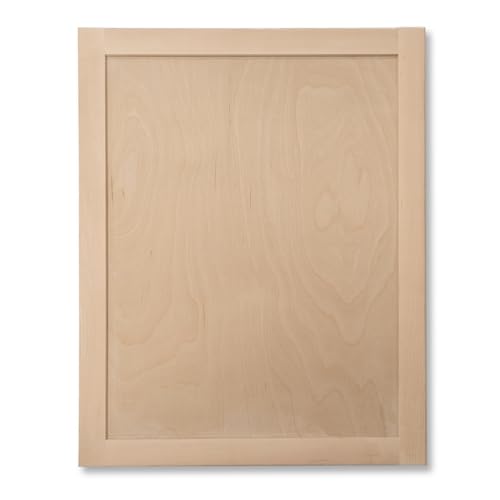
Choose Your Perfect Look: Available in Raw Maple, Raw Hickory, and Raw Rustic White Oak—each with unique grain and character for a one-of-a-kind finish.