Expert Home Style – For the Price of a Coffee ($3.90)
Master high-end design secrets (Tuscan, Modern) without the expensive consultants.
🛒 Buy NowWhen it comes to creating a living room that feels just right, balancing function and style is essential.
Not only is it where we unwind after a long day, but it’s also the heart of our homes where we gather with family and friends.
There’s no one-size-fits-all solution, especially when you’re working with small spaces.
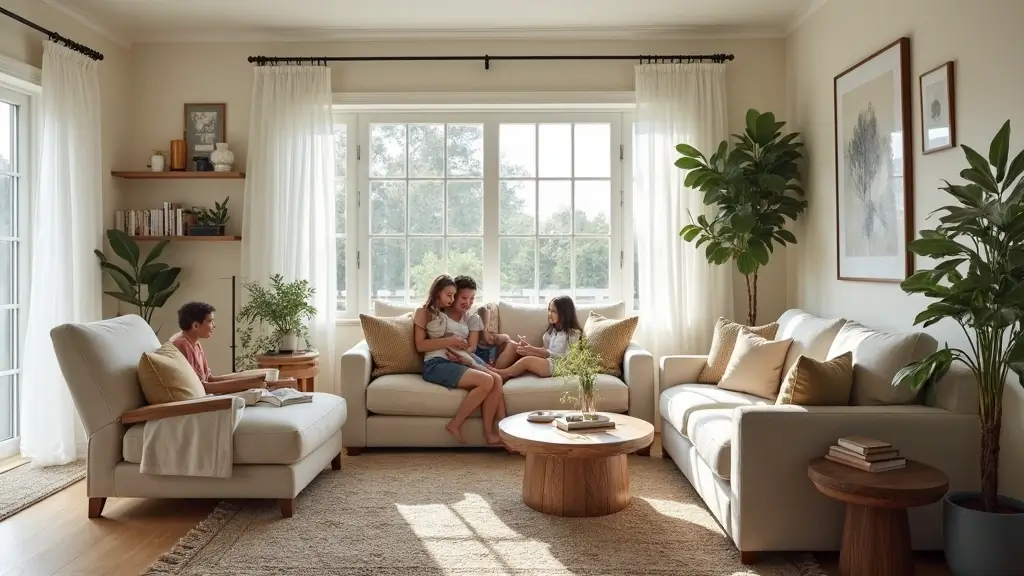
This post showcases 29 unique living room layout ideas that are not only chic but also maximize your available space, ensuring that every square inch is utilized effectively. Get ready to be inspired!
1. The Cozy Corner Nook
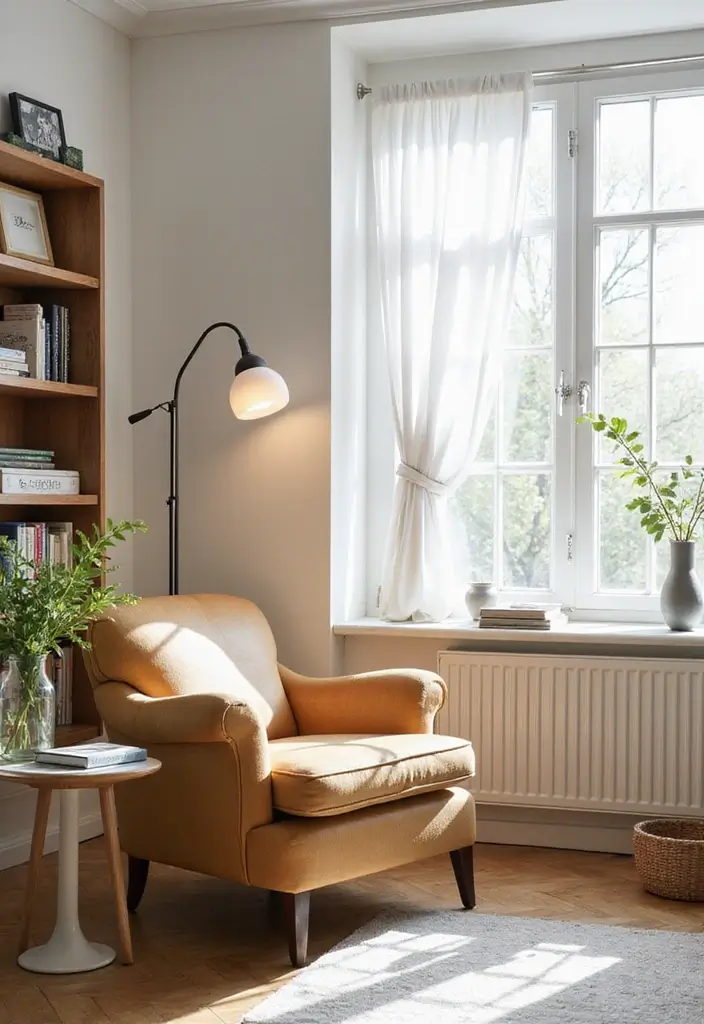
Transform a small corner into a snug reading nook by positioning a compact armchair or a stylish chaise lounge. This setup invites relaxation and can be accented with a floor lamp and a small side table for your coffee or books.
Consider pop-up side tables for extra functionality when needed.
Additionally, drape some cozy throws over your chair to enhance the warmth and texture of the space.
This approach not only creates an intimate spot within your living room but also keeps the main area open and airy.
for this layout:
– Choose light colors for furniture to make the space feel larger.
– Use floating shelves around the nook for added storage and display options.


2. The Open-Concept Flow

In small spaces, open-concept layouts can be a game changer. By removing barriers between rooms, you create a seamless flow that feels spacious and inviting.
Position your sofa to face an adjacent wall or a window to draw the eye and encourage interaction. Pair it with a minimalist coffee table and a couple of poufs for versatile seating.
Use area rugs to define spaces, helping differentiate the living room from other areas without constricting the flow.
This design also allows for light to travel freely, enhancing the overall ambiance.
Suggestions for maximizing open-concept layouts:
– Select furniture with slim profiles.
– Incorporate multi-functional pieces like storage ottomans to keep the area tidy.


3. The Floating Sofa Solution

Place your sofa away from the wall to create a cozy, intimate atmosphere. This floating sofa technique works wonders in small living rooms, making the space feel less cramped and more welcoming.
You can use a console table behind the sofa for functionality and style, providing a place for decor, lighting, or even additional storage.
Add accent chairs on either side to encourage conversation and keep the design balanced.
Be mindful of keeping pathways clear for easy movement throughout the room.
Design tips for a floating sofa setup:
– Incorporate a large area rug to ground the space.
– Opt for lighter-colored furniture to prevent visual clutter.




4. Multi-Level Layouts

Consider using multi-level layouts to add dimension and visual intrigue to your living room. By using platforms or varying furniture heights, you can create zones that define areas for different activities, like relaxing, working, or entertaining.
This method is particularly effective in small spaces where you need to maximize every inch.
Use rugs to demarcate each level, and consider accentuating vertical space with tall shelves or wall art.
This approach can also improve the flow between areas, making your room feel larger.
Practical tips for multi-level layouts:
– Use lighting to highlight different levels.
– Integrate furniture that can be easily moved to switch up the layout.
Elevate your small space with a multi-level layout! Create defined zones for relaxing, working, or entertaining, and watch your living room transform into a stylish haven. Every inch matters!


5. The Minimalist Approach

Less is often more, especially when it comes to small living rooms. Embracing a minimalist design can open up space while still providing the essentials.
Stick to a neutral color palette with simple furniture like a low-profile sofa and sleek coffee tables.
Incorporate built-in storage solutions to keep clutter at bay, such as wall-mounted shelves or under-sofa bins.
This layout encourages a clean and uncluttered look, making the room feel much more spacious.
for achieving a minimalist look:
– Choose furniture with clean lines and simple shapes.
– Limit decor items to a few key pieces for a polished look.
Embrace the minimalist approach: “Less is often more.” A simple, clutter-free living room can feel twice as spacious, inviting relaxation and style into your small space.


6. The Diagonal Layout

Laying furniture at an angle can break up the traditional grid layout and add visual interest to small living rooms. Positioning your sofa diagonally can create a more dynamic flow and make the room feel larger.
Pair this setup with a round coffee table to soften the lines and introduce contrast.
This layout encourages conversation and a cozy atmosphere, perfect for gatherings.
Considerations for a diagonal setup:
– Keep pathways clear to enhance movement.
– Use light colors on walls to prevent the space from feeling cramped.
7. Zone Designation

Creating specific zones within your living room can help define areas for work, relaxation, and entertainment. Use furniture arrangements to establish these zones, like positioning a desk in one corner and a sofa in another.
By using rugs, lighting, or room dividers, you can visually separate these areas while maintaining an open feel.
This method enhances functionality, especially in small spaces where every inch counts.
Effective tips for zone designation:
– Incorporate contrasting colors for each zone.
– Choose furniture styles that complement each other for a cohesive look.
8. The L-Shaped Layout

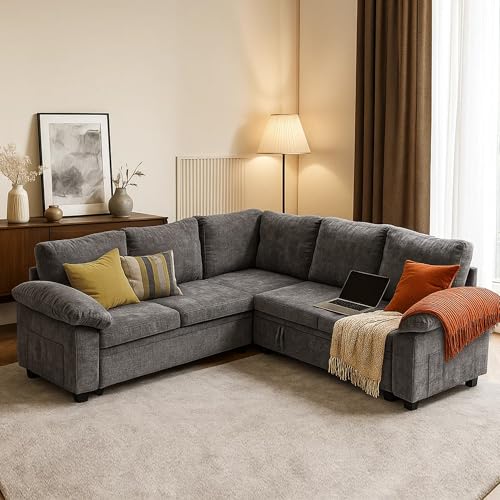
L-shaped layouts can be perfect for small living rooms. Position a sectional sofa against two walls, allowing for a spacious layout while maintaining the area’s flow. This configuration encourages conversation and can comfortably accommodate guests.
Add a coffee table in the middle and accent chairs to complete the setup.
Use decorative elements like throw pillows or a stylish area rug to tie everything together.
for enhancing the L-shaped layout:
– Ensure there’s enough space to navigate between the sofa and other furniture.
– Incorporate vertical storage solutions to maintain a tidy appearance.



9. The Multi-Functional Furniture

In small spaces, every piece of furniture should pull double duty. Look for options like a coffee table that converts into a dining table or a sofa bed for overnight guests.
Storage ottomans or benches can also serve as seating or places to tuck away blankets and magazines.
This approach not only maximizes space but also keeps your living room organized and stylish.
Suggestions for selecting multi-functional furniture:
– Prioritize quality over quantity to ensure longevity.
– Choose pieces that match your decor style for a cohesive look.
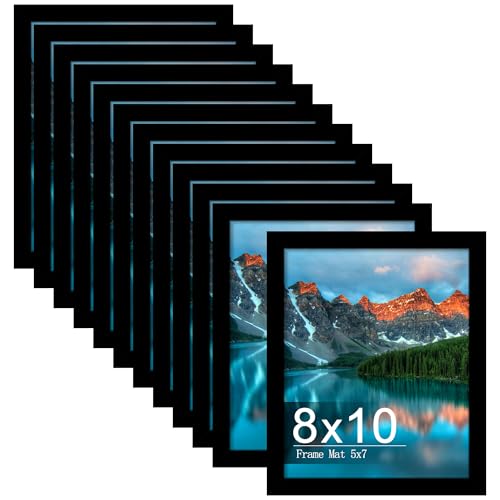
10. The Gallery Wall
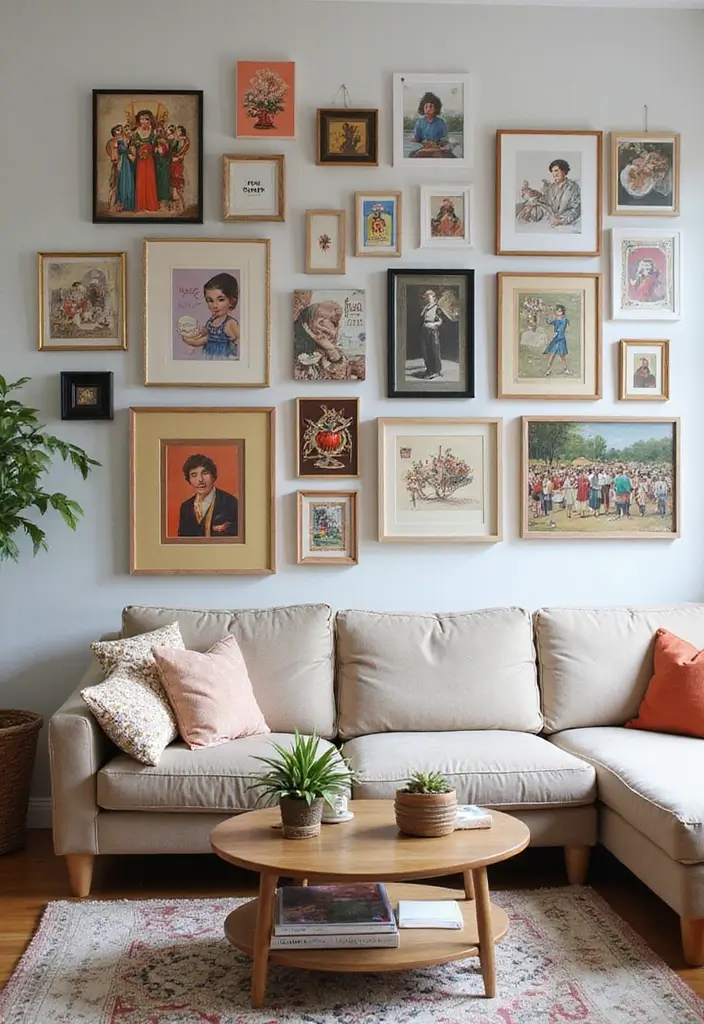
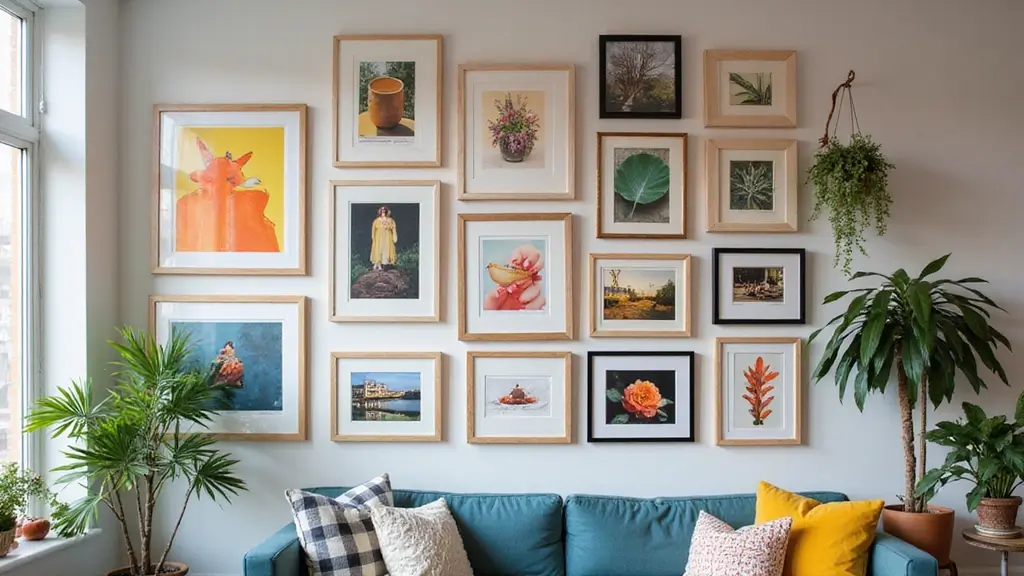
Transform your living room’s focal point by creating a stunning gallery wall. Using art and photos arranged in a visually appealing way can draw attention and add personality to your space.
Opt for different frame sizes and colors for an eclectic look, or keep a uniform style for a more polished vibe.
This design trick is not only visually appealing but also allows you to personalize your space without taking up any floor area.
for a successful gallery wall:
– Lay out the arrangement on the floor before hanging to visualize the look.
– Use lightweight frames to avoid damaging walls.
11. The Sofa Table Combo
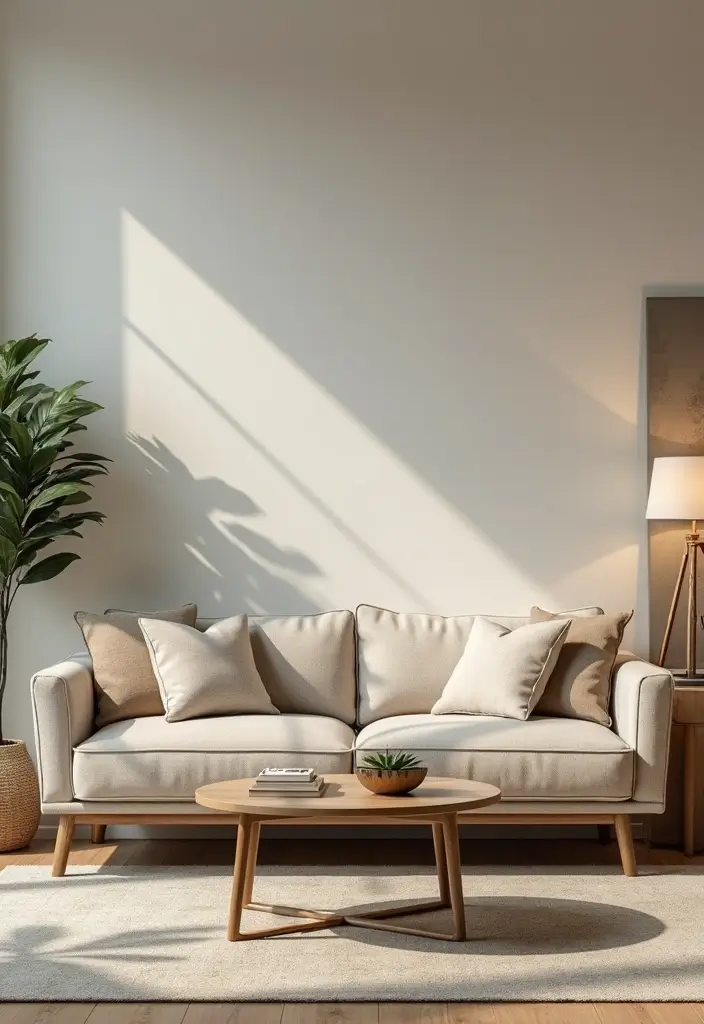
In a small living room, a sofa table offers both functionality and style. Place a slim console table behind your sofa to hold lamps, plants, or decorative items.
This setup can serve as a place for drinks when entertaining, keeping your coffee table free for snacks and games.
Additionally, it can help define the space and create a sense of separation from other rooms.
Considerations for this arrangement:
– Choose a sofa table that complements your sofa’s design.
– Layer lighting with a stylish lamp for extra warmth.
12. The Sectional Solution
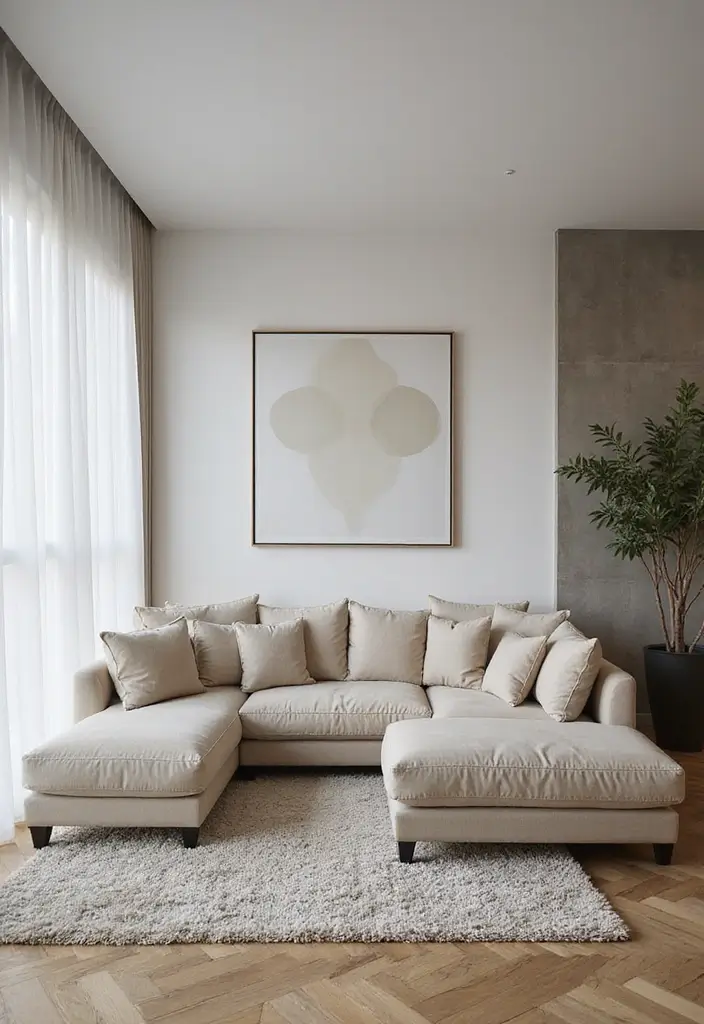
Sectional sofas can be a perfect solution for small living rooms, offering ample seating while making the most of the available space. Position the sectional to maximize flow and accessibility, keeping pathways clear for easy movement.
Choose a sectional with built-in storage for added functionality.
This design allows you to create a cozy gathering spot without overwhelming the room.
Helpful tips for sectional arrangements:
– Use a large area rug to define the space.
– Choose lighter colors to keep the area feeling open.
In a small living room, a sectional can be your best friend. It’s all about maximizing style and function – cozy seating with built-in storage creates a perfect gathering spot without sacrificing space!
13. The Mixed Materials Look
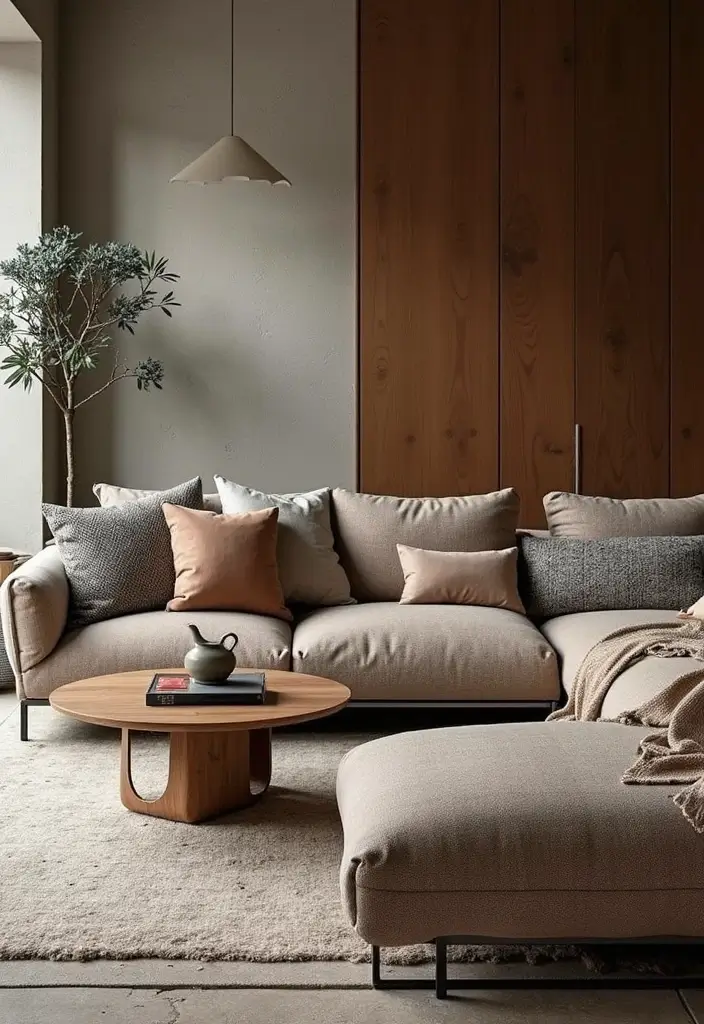
Incorporating mixed materials can add texture and depth to your small living room. Combine wood, metal, and textiles for a layered effect that keeps the eye moving.
Pair a sleek metal coffee table with a plush rug or a wooden sofa with velvet cushions.
This approach not only enhances the visual interest but also allows you to experiment with different styles, making your space feel unique.
for creating a mixed materials look:
– Stick to a cohesive color palette to prevent clashing.
– Balance heavier materials with lighter ones for harmony.
14. The Vintage Meets Modern
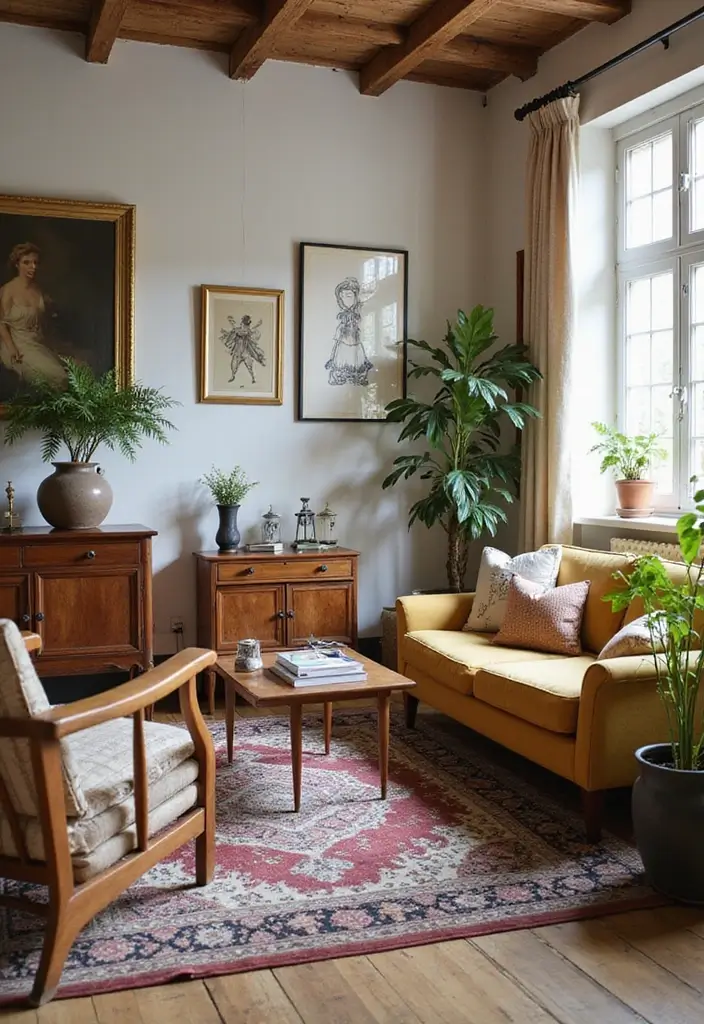
Incorporating vintage pieces into your modern decor can create a unique and eclectic atmosphere. Look for vintage furniture or decor that reflects your style, and mix it with contemporary elements.
For example, a vintage armchair alongside a modern sofa can create an eye-catching contrast.
This blend of styles tells a story and reflects your personality.
Helpful tips for achieving this look:
– Stick to similar color schemes to unify the space.
– Don’t shy away from mixing patterns for added interest.
15. The Smart TV Wall
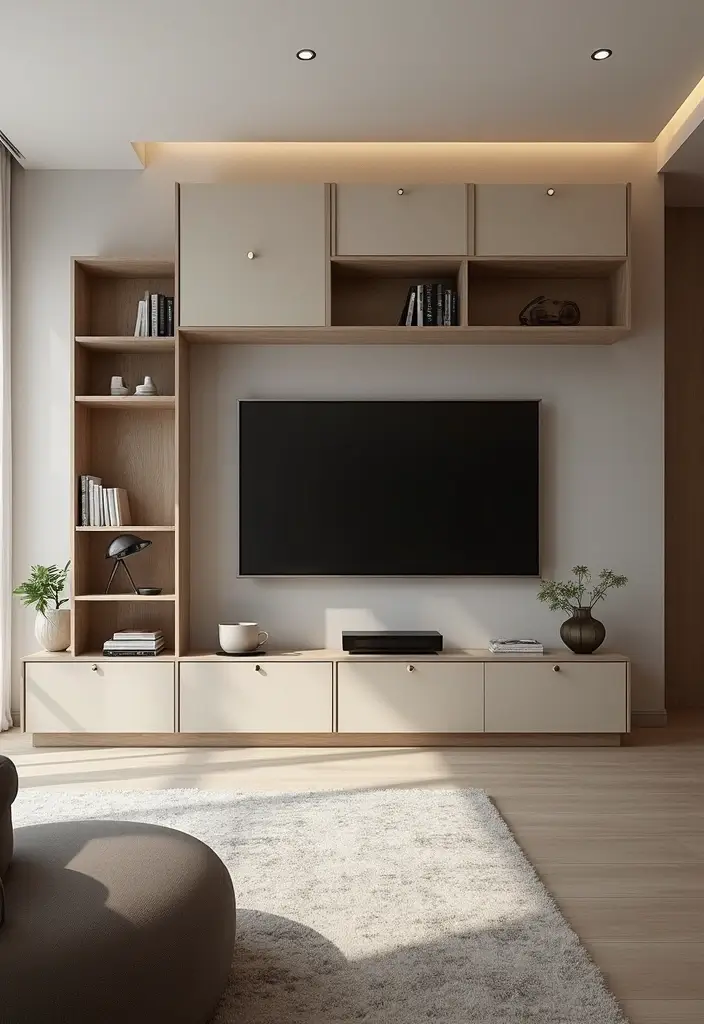
Designate a specific area for your TV to keep the living room looking organized and stylish. Use wall-mounted shelves or cabinets to store media devices and accessories neatly.
Arrange seating in a U-shape around the TV for an interactive viewing experience, encouraging conversations and engagement.
Keep decor minimal around this area to maintain focus on the screen without overwhelming the space.
for a stylish TV wall:
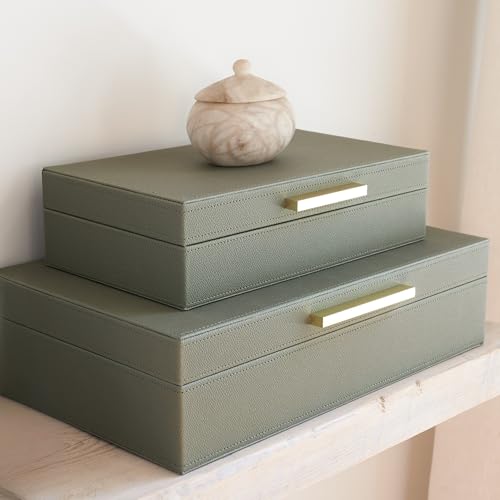
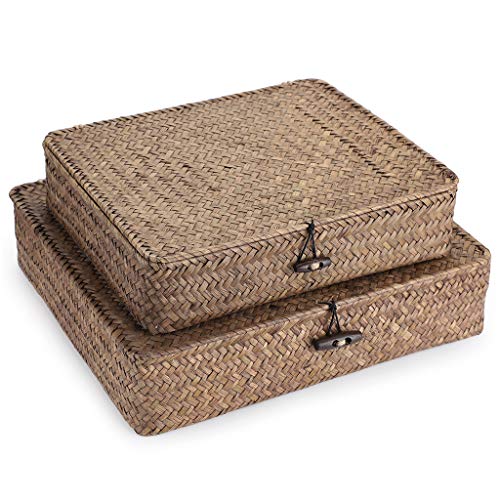
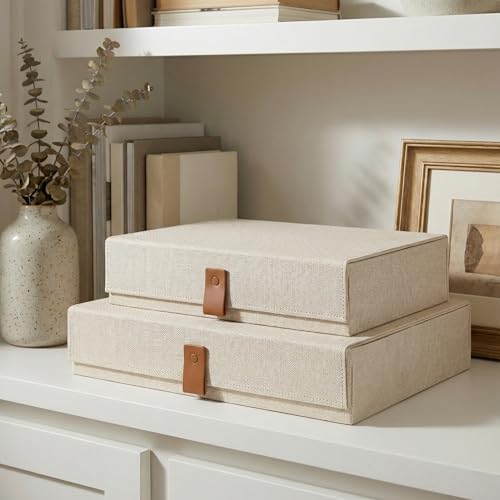
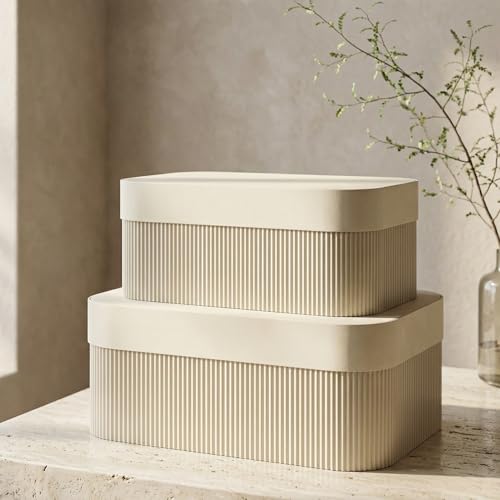
– Use decorative boxes or baskets to store remote controls.
– Incorporate a plant or two nearby to soften the electronics look.


16. The Color Pop
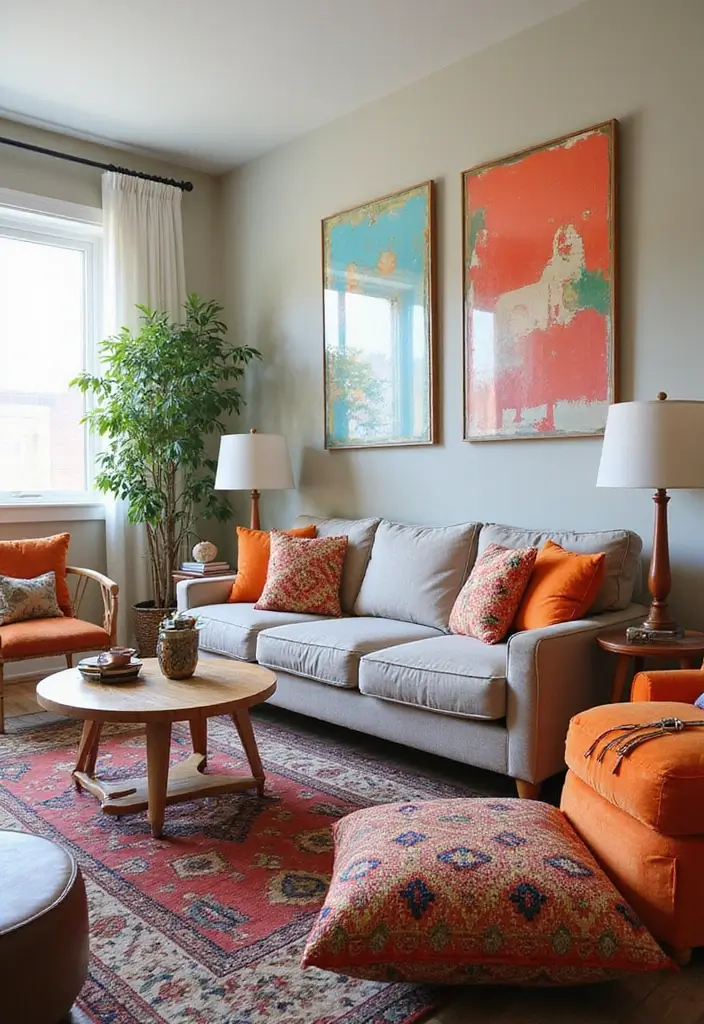
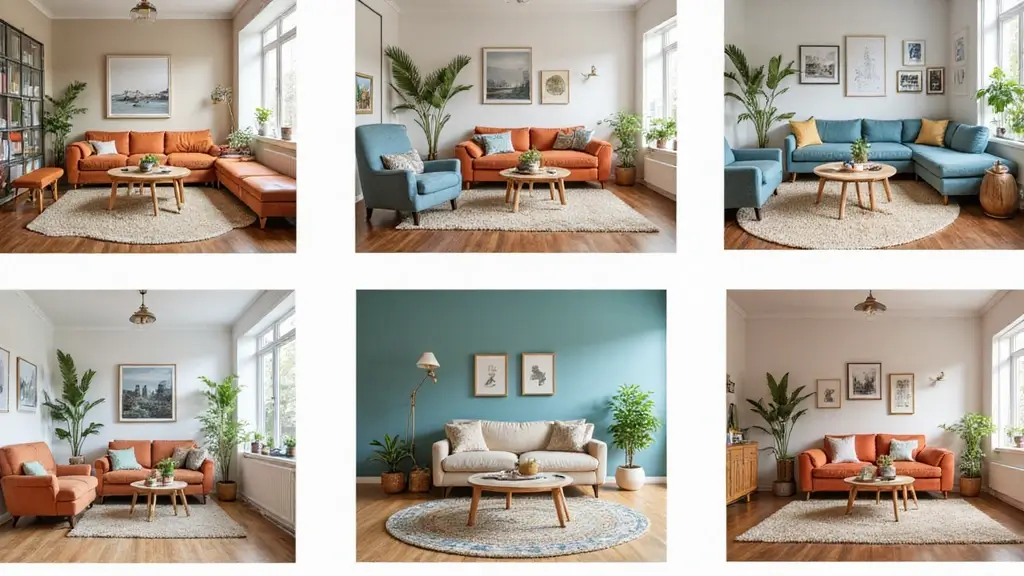
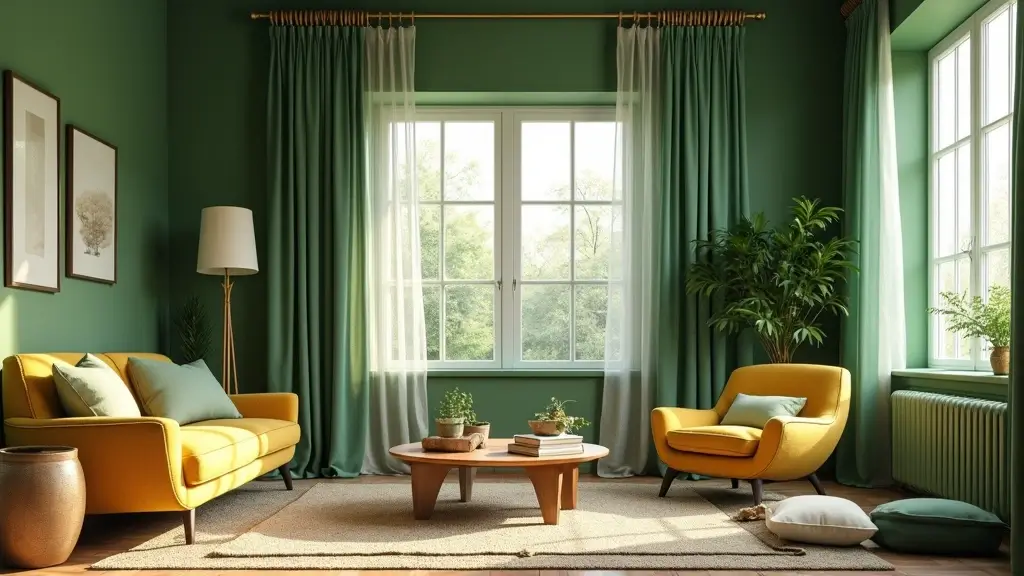
Adding pops of color can enliven a small living room and reflect your personality. Consider using bold accent furniture, like a bright yellow chair or a vivid blue coffee table, to draw the eye and create focal points.
Complement these bold pieces with neutral walls and flooring to avoid overwhelming the space.
This approach keeps the design fun and fresh while ensuring the room feels inviting.
Suggestions for incorporating color pops:
– Mix and match colors for visual interest.
– Use colorful art or decor items to enhance the overall color scheme.
17. The Textured Layering

Layering different textures can add warmth and depth to your living room. Use a mix of materials like cotton, wool, and silk in your throws, cushions, and rugs.
This combination creates a cozy atmosphere perfect for lounging or entertaining.
Incorporate textured wall decor, like a fabric wall hanging or a woven basket, to enhance this layered effect.
for effective texture layering:
– Stick to a cohesive color palette to maintain harmony.
– Experience with different shapes and sizes to create interest.
18. The Indoor Plants Corner

Bringing in greenery can significantly enhance your living room’s vibe. Designate a corner or shelves for indoor plants, adding life and freshness to your space.
Choose low-maintenance plants like snake plants or succulents if you’re new to plant parenting.
Use decorative pots or hanging plants to create visual flair while purifying the air.
Suggestions for incorporating plants:
– Mix different heights and types for a dynamic display.
– Ensure natural light reaches the plants to keep them thriving.
19. The Shelving Unit Divide

Use open shelving as a room divider in your living room to create distinct areas for different activities. This approach allows you to display decor while keeping the space feeling open.
Place books, plants, or art on the shelves, making it a functional and stylish element.
Be mindful of the items you showcase, ensuring they contribute to the overall aesthetic.
for effective shelving units:
– Balance decor pieces with books to keep it visually appealing.
– Use a color scheme that aligns with your living room palette.
20. The Artistic Touch

Art can be a defining element in your living room layout. Whether it’s a large painting, a sculpture, or an eclectic mix of frames, art transforms the space and reflects your style.
Position large pieces behind the sofa or on significant walls to make a statement, while smaller artworks can adorn shelves or tables.
Consider rotating art pieces to keep the space feeling fresh and engaging.
Helpful tips for displaying art:
– Group smaller pieces together for a curated gallery look.
– Use a mix of frame styles for an eclectic vibe.
21. The Layered Lighting

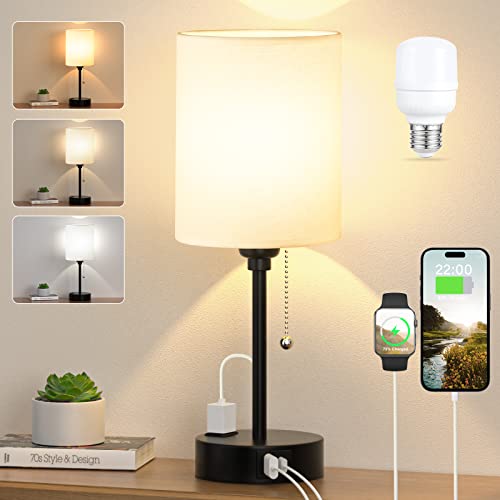
Lighting can dramatically alter the feel of your living room. Layered lighting combines ambient, task, and accent lighting, creating a warm and inviting atmosphere.
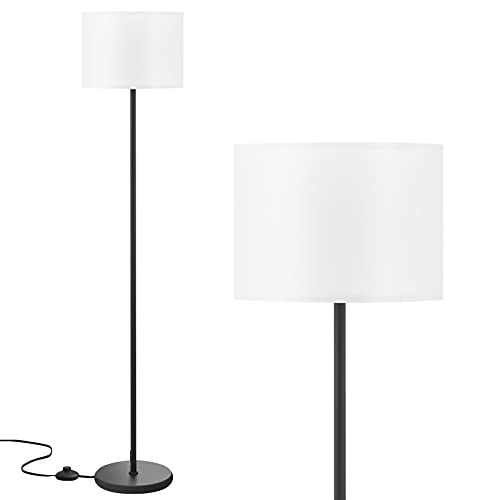
Use floor lamps, table lamps, and wall sconces to achieve a balanced mix.
Incorporating dimmers allows you to adjust the mood as needed.
Suggestions for effective lighting:
– Use warm bulbs to enhance the cozy vibe.
– Ensure all light sources are on different levels to maintain visual interest.


22. The Seasonal Decor

Rotate your decor according to the seasons for a fresh and vibrant living room. Use seasonal colors, textures, and themes to reflect the time of year.
For example, in fall, incorporate warm tones and cozy textiles, while summer might call for light fabrics and bright colors.
This approach adds a dynamic element to your decor and keeps your space feeling relevant and inviting.
for seasonal decor changes:
– Store seasonal items in labeled bins for easy access.
– Choose a few key pieces to rotate rather than overwhelming the space.
23. The Personal Touch

Infuse your personality into the living room design with personal artifacts like family photos, travel souvenirs, or handmade crafts. These pieces add warmth and character, making your space truly feel like home.
Position them strategically on shelves, tables, or gallery walls for a curated look.
Balance personal items with functional decor to maintain a tidy and stylish environment.
Helpful tips for personal displays:
– Use matching frames for photos to create a cohesive look.
– Avoid clutter by rotating displayed items regularly.
24. The Textured Rugs

Rugs can enhance the comfort and style of your living room. Choose textured rugs to add depth and warmth, especially in smaller spaces. A shag rug or a woven design can create a cozy atmosphere.
Position your rug under furniture, ensuring it’s large enough to anchor the space.
Additionally, mix and match patterns if you’re feeling adventurous, but keep a cohesive color scheme.
for choosing rugs:
– Opt for durable materials suited for high-traffic areas.
– Ensure the rug complements your overall decor style.
25. The Functional Entertainment Space

Designate an area for entertainment in your living room. Whether it’s a small bar cart or a game table, having a defined space for fun activities can enhance your living room’s usability.
Choose multifunctional furniture that can serve as both decor and utility.
For example, a stylish console table can hold drinks and snacks while contributing to the room’s aesthetic.
Suggestions for creating a functional entertainment space:
– Keep essentials like games or drinkware organized and accessible.
– Consider a compact project table for hobbies and crafts.
Create a living room that doubles as a playground! Designate an entertainment space with multifunctional furniture, making fun and style work hand in hand. Your cozy corner can be both a retreat and a social hub!
26. The Cozy Layered Throws

Layering throws on your sofa can instantly elevate the look of your living room while offering extra comfort. Use a mix of colors and textures to create a well-styled sofa arrangement.
Drape throws over the back or arms of your sofa for a casual look that’s also functional.
This addition not only enhances the visual appeal but also invites warmth during colder months.
for layering throws effectively:
– Use various materials like wool, cotton, or faux fur.
– Keep the colors cohesive with your overall palette.
27. The Outdoor-Inspired Touch

Bring the outdoors inside by incorporating natural elements like wood, stone, and greenery. Use wooden furniture, stone accents, and plants to create an organic feel in your living room.
Consider large windows or glass doors to let in natural light and provide views of your outdoor space.
This design strategy not only enhances the aesthetic but also creates a calm and refreshing environment.
for achieving an outdoor-inspired look:
– Use earthy colors to complement natural materials.
– Incorporate natural light sources for a bright feel.
28. The Mood Board Idea

Creating a mood board can help you visualize your living room’s overall design. Use swatches, photos, and textures to curate a cohesive look that aligns with your style.
This planning method allows you to mix and match colors and materials before making any purchases.
Display your mood board on a wall to keep your vision in sight as you decorate.
Helpful tips for creating an effective mood board:
– Choose a color palette that resonates with your vision.
– Include various textures and materials to get a feel for the final look.
29. The Timeless Classic

Incorporating timeless pieces into your living room design can ensure it remains stylish for years to come. Utilize classic furniture styles, such as a Chesterfield sofa or a mid-century modern armchair.
Pair these with neutral tones and minimal decor for a refined look that won’t go out of style.
This strategy not only enhances the aesthetic but also provides a solid foundation for future decor updates.
for achieving a timeless look:
– Invest in quality pieces that stand the test of time.
– Choose accessories that complement, rather than overwhelm, the classic design.
Conclusion: Crafting Your Perfect Living Room

With these 29 living room layout ideas in your arsenal, you’re well on your way to creating a space that balances both style and function.
Remember, the key is to make the most of your space while reflecting your personal taste.
Don’t be afraid to mix and match ideas or to experiment until you find the perfect layout that feels just right for you.
Note: We aim to provide accurate product links, but some may occasionally expire or become unavailable. If this happens, please search directly on Amazon for the product or a suitable alternative.
This post contains Amazon affiliate links, meaning I may earn a small commission if you purchase through my links, at no extra cost to you.
Frequently Asked Questions
What are some effective living room layout ideas for small spaces?
For small spaces, consider using the floating sofa solution to create a cozy atmosphere. Placing your sofa away from the wall can open up the room and make it feel more inviting. Additionally, the open-concept flow allows for seamless transitions between areas, enhancing the overall spaciousness. Don’t forget about multi-functional furniture that can serve more than one purpose, like a coffee table that doubles as a dining table!
How can I optimize my small living room design?
To optimize your small living room design, start with furniture arrangement tips. For instance, use an L-shaped layout with a sectional sofa to maximize seating while maintaining flow. Consider zone designation by creating specific areas for work, relaxation, and entertainment. Lastly, incorporating multi-level layouts can add visual intrigue and define different sections within the room.
What role does lighting play in small living room solutions?
Lighting is crucial in small living rooms! Using layered lighting—a mix of ambient, task, and accent lighting—can dramatically alter the room’s feel. It creates warmth and depth, making the space feel more inviting. You can also utilize natural light by keeping window areas clear and using light, airy curtains to enhance brightness.
How can I incorporate personal style into my living room layout?
Infusing your personality into your living room can be done through the artistic touch. Create a stunning gallery wall with your favorite art pieces or photographs to express your style. Additionally, include personal artifacts like travel souvenirs or handmade crafts. These elements add warmth and character, making your space uniquely yours!
What are some tips for creating a cozy atmosphere in a small living room?
To create a cozy atmosphere, start with the cozy corner nook idea by adding a compact armchair and a floor lamp in a corner. Layer your space with various textures using textured rugs and throws. Incorporate greenery with indoor plants to bring life into the room. Finally, use a neutral color palette with pops of color in decor to maintain a warm and inviting vibe.
Related Topics
living room layout
small space solutions
modern interior decor
furniture arrangement
space optimization
minimalist design
cozy living room
multi-functional furniture
design tips
comfortable spaces
seasonal decor
layered lighting