You’re measuring your space, comparing fiber types, and checking installation quotes, but you still don’t know what you’ll actually pay.
Bedroom carpet runs $2 to $9 per square foot installed, so a 110-square-foot room costs roughly $440 to $1,980 depending on your pile density, padding thickness, and whether you need old flooring removed.
Most homeowners spend around $800 for mid-grade nylon with decent underlayment, though wool, polyester, and olefin each shift your total in different directions.
The real question isn’t just price per square foot; it’s what that number actually covers.
How Much Does It Cost to Carpet a Bedroom?
When you’re planning to carpet a bedroom, you’ll find that installed carpet pricing typically runs about $2 to $9 per square foot, and professional installation adds roughly $0.50 to $1.50 per square foot depending on the job’s complexity. The Average Cost to Install carpet in a single 110-square-foot bedroom falls between $440 and $1,980, though community feedback suggests you’ll likely spend around $800 for mid-grade carpet with decent padding.
You’ll pay less for budget options, more for premium materials. For two bedrooms totaling 220 square feet, multiply accordingly. Padding quality greatly impacts your total, and you’ll want to account for furniture moving fees, which contractors commonly quote at $25 to $75 per room. If you’re removing old carpet, expect additional charges up to $1.60 per square foot.

PREMIUM QUALITY MATERIALS: High quality material: carpet tiles are made of 100% polyester fibre, which is durable, stain-resistant, moisture-resistant, abrasion-resistant and non-slip

Modular Excellence: Elevate your space effortlessly with our premium collection of removable carpets. This set includes 12 meticulously crafted carpet tiles, each measuring 20"x20", covering a total area of 33ft² when seamlessly assembled. Color Note: Actual rug colors may appear slightly different due to variations in screen resolutions and ambient lighting.

Vintage Floral Design: Adorn your bedroom with this vintage floral print runner rug, featuring delicate floral motifs. The intricate vine patterns and floral design create an organically sophisticated, serene oasis for any decor.
What’s Actually Included in That Price
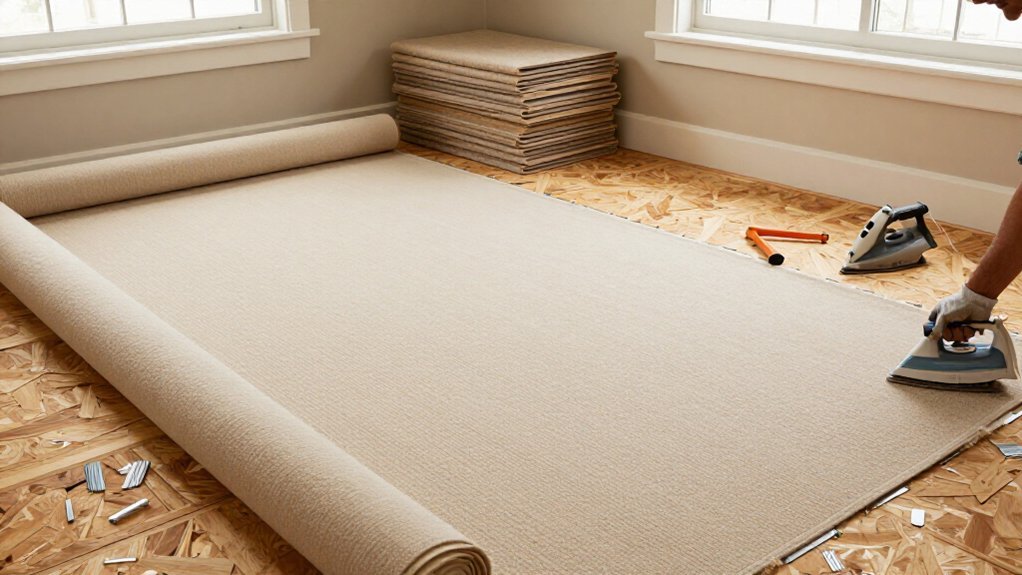
When you’re evaluating that per-square-foot figure, you’ll want to confirm it rolls together the carpet material costs, installation labor fees, and pad and prep work, since those three elements make or break both comfort and longevity.
Most reputable quotes bundle the carpet itself, professional measurement and seaming, plus a mid-grade underlayment that typically adds $0.50–$1.50 per sq. ft. to the total, so don’t let website “carpet-only” prices fool you into underestimating the real installed range of $3–$11 per sq. ft.
You should verify whether your quote covers removal of old carpet and tack strips, furniture shifting with proper casters or sliders to protect flooring, and disposal, or if those line items will surface later as unwelcome surprises on your final invoice.

[Non-Slip Backing for Hard Floors]: Rubber backing helps keep the rug in place on tile, hardwood, or laminate—ideal for homes with kids, pets, or busy foot traffic.
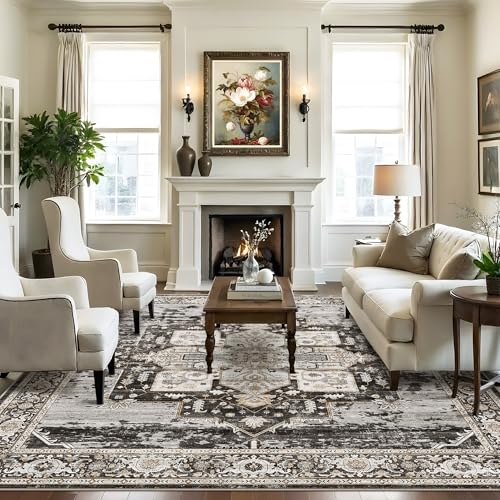
Superior Craftsmanship: Made with premium materials and expert craftsmanship, this 11x11 rug offers both durability and softness underfoot. The combination of its sturdy construction and plush texture ensures a long-lasting and comfortable experience.

[SUBSTANTIAL & ROBUST]: Up to 3x more material by weight for added durability and comfort; rug sizes may vary slightly due to machine-woven construction
Carpet Material Costs
Although you might focus on the carpet’s surface texture and color, the price you’re quoted typically bundles three distinct elements: the fiber itself, an underlayment pad, and the labor required to cut, seam, stretch, and secure it.
When you evaluate cost per square foot, you’ll find synthetic fibers like nylon, polyester, olefin, and Triexta range from $0.50 to $9, while natural options such as wool or sisal run $3 to $21. Your total installed price usually combines carpet, pad, and basic labor into one figure, often landing between $2 and $9 per square foot for mid-grade selections.
- Confirm your quote includes waste allowance, not just raw room dimensions
- Verify whether tack strips, shifts, and casters are covered
- Request padding specifications; upholstery-grade density affects longevity
- Compare carpet-only rates against bundled installed pricing
- Ask if seaming in irregular layouts incurs extra charges
Installation Labor Fees
Because you’re already paying for carpet and pad, you’ll want to know exactly what that “installed” price covers before you sign off. The Cost to Install Carpet typically bundles labor for measuring, seam planning, cutting, seaming, and securing the carpet. You’re getting perimeter tack strip setup, pad placement, and floor preparation to ready the surface for the new system.
Professional installers usually budget 4 to 8 hours per average room, including setup and cleanup. Your job supplies should include manufacturer-recommended underlayment, fasteners, adhesives, surface sealants, and waste overage for seams and cuts. Even when a quote says “labor included,” you’ll often face a minimum labor charge, commonly around two hours, which can inflate pricing if you add disposal, trim changes, or other extras beyond standard installation scope.
Pad and Prep Work
You’ve already seen how labor fees stack up, so now you’ll want to look at what’s actually bundled into that “installed” price for pad and prep work. Most quotes include basic underlayment pad, which typically adds $0.25 to $3.00 per sq. ft. if purchased separately, and standard preparation like measurement, seam planning, and 4 to 8 hours of setup labor.
Your pad and prep work should cover tack strip installation and proper padding placement for durability and noise control.
- Underlayment pad (synthetic, foam, or rubber varieties)
- Measurement and seam planning for minimal waste
- Tack strip installation around room perimeters
- Furniture moving ($25 to $75 per room, if quoted)
- Old carpet removal (up to $1.60 per sq. ft., if included)
Premium padding upgrades comfort without inflating base carpet pricing, so verify your quote’s specifications.
Bedroom Carpet Prices by Room Size
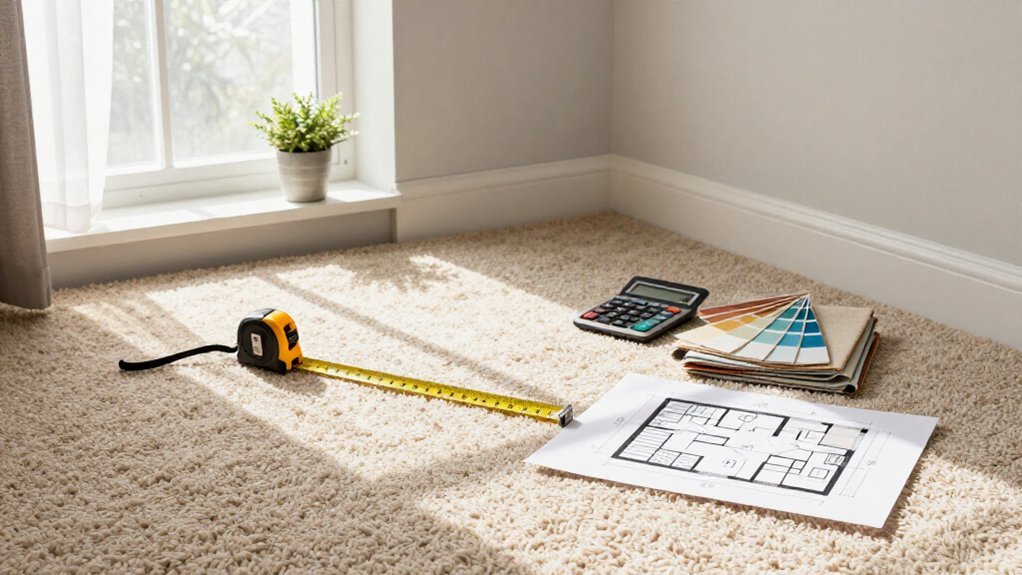
You’ll need to measure your combined square footage first, since most installers price carpet by the square foot, and two average bedrooms at roughly 110 square feet each give you about 220 square feet to cover. For that size, you can expect mid-grade carpet with decent padding to run around $800 installed, though the full range spans from roughly $440 to $1,980 depending on whether you choose basic polyester or upgrade to dense nylon with premium underlayment.
If you’re comparing quotes, note that national labor and material averages land near $5.27 to $7.72 per square foot, so you should verify whether your estimate includes pad replacement, furniture moving (using casters protects your upholstery), and old carpet disposal.

Superior Impact Sound Reduction: Enjoy quieter spaces with exceptional soundproofing
Superior Impact Sound Reduction: Enjoy quieter spaces with exceptional soundproofing
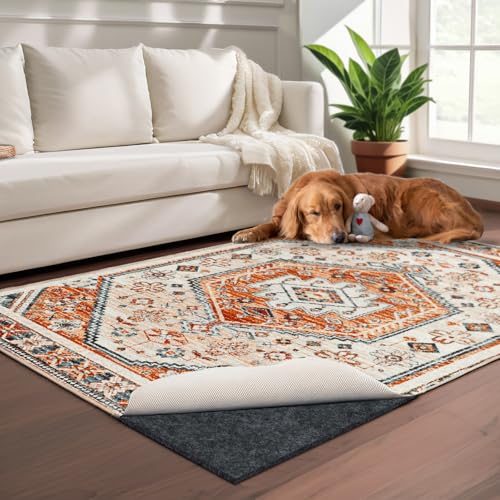
100% Waterproof : This rug pad made of Thick felt and Waterproof TPR materials for all types of floorboards. Provide varying degrees of underfoot softness, floor protection, sound absorption, insulation and all-around extra comfort to any room in your home with carpeting.
Square Footage Basics
Whether you are upgrading a master suite or revitalizing a child’s room, understanding square footage calculations will anchor your carpet budgeting before you ever step into a showroom. Carpet runs $2–$9 per square foot installed, so your room’s dimensions directly dictate your baseline cost. Measure wall to wall, then multiply length by width to find square feet.
You must add 10% waste for seams, pattern matching, and irregular cuts. Padding thickness and density will swing your total, since pad alone can add $80–$960 depending on coverage area and grade. Remember that finished surface area includes enclosed spaces around openings, so do not skip those alcoves. Factor every square foot precisely, or you will shortchange your material order.
- Measure each wall’s full length and width, then multiply for raw square feet
- Add 10% waste to cover seams, cuts, and pattern alignment
- Account for pad costs separately, as density and thickness vary widely
- Include enclosed areas around door openings in your total
- Verify finished surface area matches your manual calculations before ordering
Two-Bedroom Estimates
How much should you realistically set aside for carpeting two bedrooms? You’ll typically cover about 220 square feet using 110 square feet per bedroom, though waste factors and room shapes may adjust this figure.
For mid-grade carpet with decent padding, you should expect carpet installation to run approximately $800 total, though cheaper materials drop costs and premium selections raise them. Synthetic carpet generally spans $2 to $9 per square foot, with installation adding $0.50 to $1.50 per square foot, so many complete bids fall between $3 to $11 per square foot installed.
You must verify whether padding appears in your quote, as separate pad costs range widely, and you should confirm that your calculator uses finished surface area including enclosed openings. Local zip codes affect your final pricing.
Synthetic vs. Natural Fiber: Price Comparison
The price gap between synthetic and natural fiber carpet reflects fundamentally different material economics, with synthetic options running $2 to $9 per square foot installed versus natural fiber’s $3 to $21 range. When you compare carpet types for your bedroom, you’ll notice this spread immediately impacts your budget.
Synthetic carpet runs $2–$9 per square foot installed, while natural fiber spans $3–$21—a gap that immediately impacts your bedroom budget.
Synthetic nylon and polyester resist stains, so you clean spills without panic. Wool and sisal feel pleasant underfoot, but you pay premium prices for that comfort.
Mid-grade synthetics land near $2/sq ft installed, so you save for other projects. Natural fibers lack synthetic backings, so you rely on inherent fiber strength alone.
A 110 sq ft bedroom costs you $220 to $990 synthetic, or $330 to $2,310 natural.
You should weigh warranties against aesthetics, since synthetics offer 10 to 25 year coverage while naturals demand gentler care. Your choice depends on budget priority and expected foot traffic from casters, upholstery, and daily wear.

Large Area Coverage: This floor underlayment covers 100 sq. ft / 9.3 ㎡ per roll (366.14 x 39.37 x 0.12inch / 9300 x 1000 x 3mm). Ideal for large installations, it reduces construction time and material waste for quick, efficient flooring completion

SLIP-RESISTANT TEXTURED RUBBER BACKING: unlike felt only rug pads, the Gorilla Grip pad features an ultra durable, textured rubber underside to help keep your rugs in place; strong grip helps prevent bunching and sliding while adding a layer of cushioning underfoot; the ideal option for homes with kids and pets; makes cleaning easier, no more struggling to vacuum while your rug is slipping and sliding

NOT NON-SLIP - This pad is meant for use with rugs anchored by furniture or heavy rugs that stay in place on their own. For non-slip applications, try one of our felt and rubber options.
Hidden Costs That Blow Your Budget
Although that advertised price looks straightforward, you’ll watch your budget swell once padding, prep work, and disposal fees surface in the final invoice. Underlayment alone can add $80–$960 for a 320 sq ft install if it’s excluded, and decent padding commonly pushes mid-grade bedroom projects toward about $800 installed. You’ll pay $25–$75 per room for furniture moving, and tear-out runs up to $1.60 per sq ft plus hauling fees.
New synthetic carpet needs 48 hours of airing, which may delay your timeline. Waste, seams, and trim details often hide in quotes, since accurate pricing requires overage planning and may exclude transitions or baseboard work. Always demand itemized estimates, study exclusions, and calculate true total cost before signing.

Advanced Electrostatic Pickup — The specialized fabric creates a natural static charge to attract and lift fur from furniture. This cat and dog hair roller uses an electrostatic fabric to collect fur that stays trapped in fabric threads or carpet rugs

【Reusable & Easy to Clean】Pet hair removal glove are washable and reusable, offering a sustainable alternative to wasteful sticky papers and lint rollers! Save money while reducing environmental impact. Cleaning is simple – just shake off debris or rinse under water for repeated use.

CLEANS AND DEODORIZE: Glisten Disposer Care Cleans and Deodorizes Garbage disposals, Safely and Effectively
How Long Bedroom Carpet Installation Takes
You’ve mapped out the budget, but now you need to block out your calendar, since timing affects everything from furniture logistics to air quality. Professional carpet installation in an average bedroom typically takes 4 to 8 hours once the area is ready, but you’ll extend that timeline if movers handle your furniture or crews remove old carpeting.
Block out your calendar: carpet installation takes 4 to 8 hours, longer if furniture or old flooring needs handling.
- Budget 4 to 8 hours for standard carpet installation after prep work finishes.
- Add time for furniture moving, which often costs $25 to $75 per room.
- Account for old carpet removal, running up to about $1.60 per square foot.
- Plan 48 hours of airing in a ventilated garage if synthetic carpet odors concern you.
- Schedule early delivery and remove wrapper packaging for faster dissipation.
Some projects carry a 2-hour minimum labor charge, so smaller bedroom jobs may complete quickly but still incur baseline fees.

PREMIUM QUALITY MATERIALS: High quality material: carpet tiles are made of 100% polyester fibre, which is durable, stain-resistant, moisture-resistant, abrasion-resistant and non-slip

Super Fluffy Living Room Rug: This ultra soft 1.7 inch high-pile shag rug with memory foam provides warmth, comfort, and insulation from cold floors. Perfect for bedrooms, kids' rooms, dorms, and playrooms, Designed for durability, it resists shedding and maintains its luxurious softness, making it perfect for families with kids and pets.

Neutral Abstract Rug: This 4ft rug features a distressed abstract design in subtle tones, adding a modern, artistic touch to your space. It blends effortlessly with any home style, instantly enhancing your living room, bedroom, dining area, or office
Best Pile Type for Your Bedroom (and Your Wallet)
When you’re choosing carpet for your bedroom, pile type determines how the floor feels underfoot and how well it holds up to daily wear, so you’ll want to match the fiber construction to your habits and budget. Cut pile offers balanced comfort and durability for everyday traffic, while loop pile, including multi-level patterns, feels springy and hides footprints between cleanings.
Cut-loop pile combines both textures, hiding dirt and stains while adding plushness. For stain resistance, synthetic fibers outperform natural options like wool or sisal, which absorb spills more readily. Budget $2 to $9 per square foot installed for synthetics, or $3 to $21 for naturals.
Match your pile to decent padding; many commenters spend around $800 installed for mid-grade systems, and proper cushioning improves comfort regardless of fiber choice.
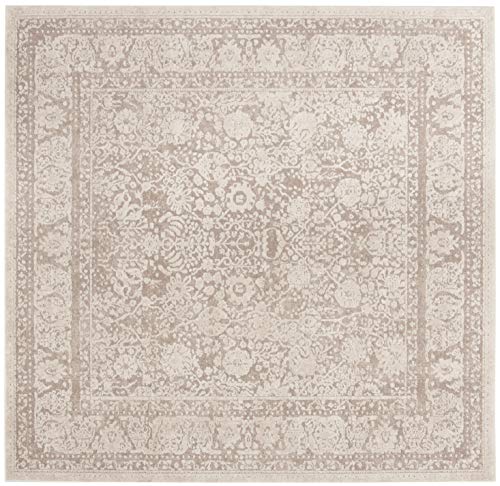
[SUBSTANTIAL & ROBUST]: Up to 3x more material by weight than comparable rugs, offering enhanced durability and comfort; The added weight means more material, improving its...