You pin images, you measure walls, you hunt for that one perfect tile: decorating starts with deliberate steps, not impulse buys.
Your room demands a plan, a palette, and patience, yet most guides skip the hard truth about budget ceilings and awkward outlets.
You’ll learn to build around constraints, not fight them.
Pin 40 Rooms to Find Your Vibe (Not Products)
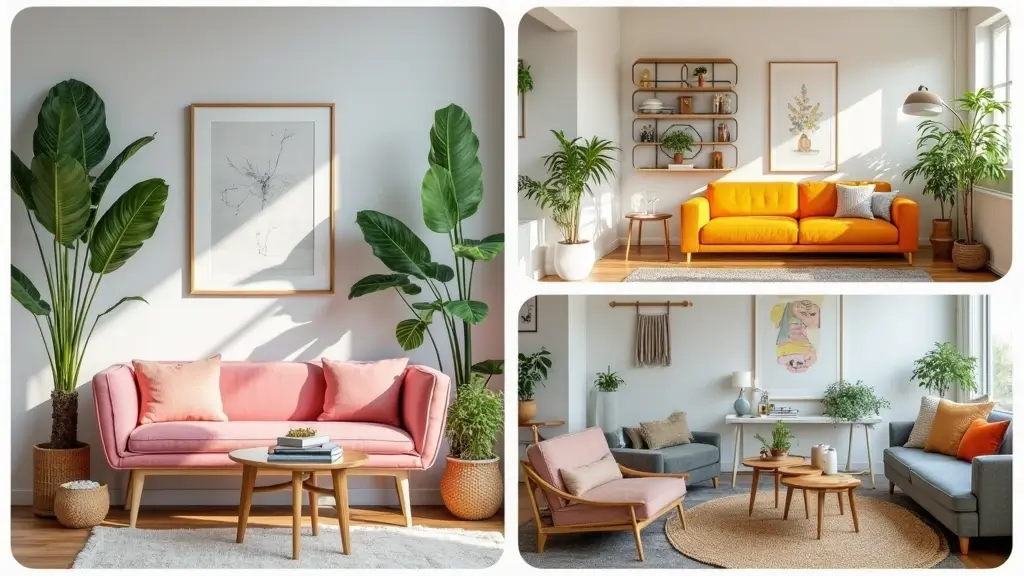
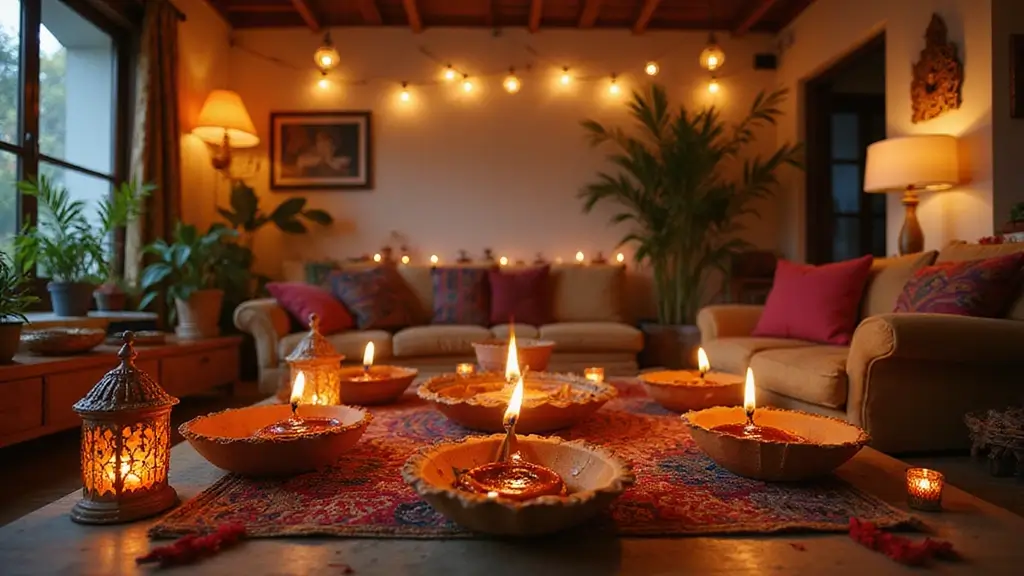
Before you buy a single throw pillow or paint swatch, you’ll want to pin 40 to 50 room images to a dedicated board, since this volume lets you spot recurring patterns in color palettes, textures, furniture silhouettes, and overall mood rather than fixating on one “perfect” product that might not fit your space. This first step, pin 40 rooms to find your vibe, builds your Mood Board faster than hunting individual items.
You’ll create a Pinterest board for each space, whether you’re tackling a living room, dining room, or master bedroom. After roughly 50 pins, you’ll review for common threads, like warm wood tones or muted color palettes, and adjust if your pins surprise you.
Search specifically, using terms like “cozy bedroom” or designer names, to target mood. You can build a second, refined board later, keeping sources for tracing elements. You’ll take measurements only after this vibe work; they’re not needed yet.

【Vintage Inspiring Wall Art】This vintage inspiring wall art features a striped typography wall art design with the phrase “it feels so good to be home wall art” in elegant handwritten script art. Set on a blue stripe beige background decor, the composition forms a cozy home quote artwork with a soft and welcoming visual tone.
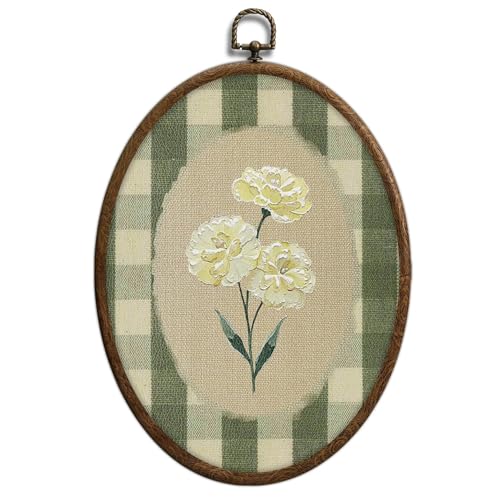
Dimensions - This cozy cottage decor measures 7x10 inches The waterproof construction is a nice feature for bathrooms, kitchens, or other areas with higher humidity.

【Home Sweet Home Wall Art】Create a warm and welcoming atmosphere with this charming Home Sweet Home Wall Decor. Featuring a classic quote design, vintage green gingham pattern, and delicate floral details, this framed artwork adds a cozy touch to any living room, bedroom, entryway, or kitchen.
Measure What You Can’t Change
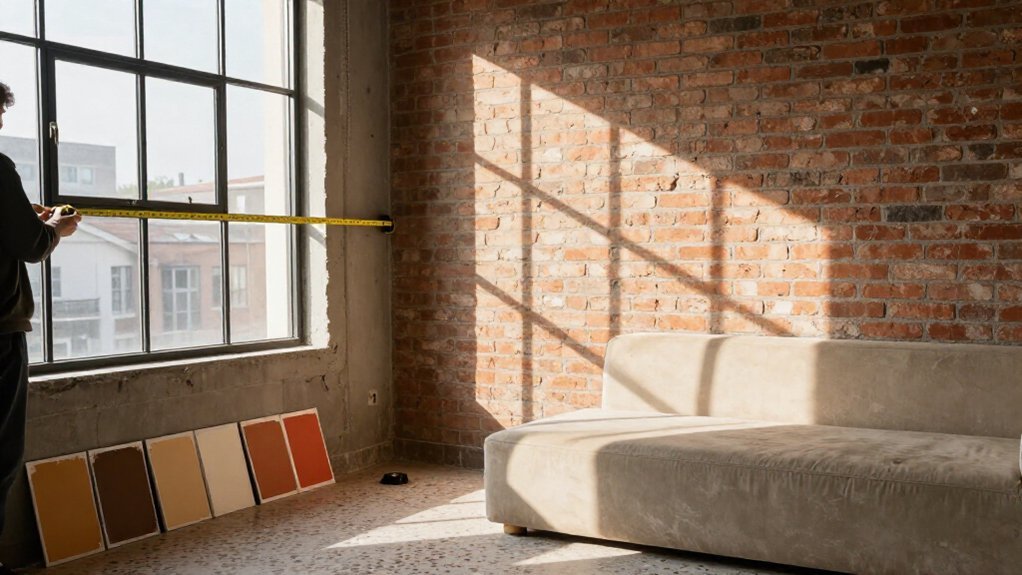
Once you’ve pinned enough rooms to recognize your recurring preferences, you’ll shift from collecting inspiration to confronting the physical boundaries of your actual space. Measure what you can’t change: measure the room dimensions, including wall lengths, ceiling height, and window or door widths.
Make sure you note fixed elements like trim depth, door swings, radiators, and ceiling details, because they limit where large pieces can sit. Record outlet and junction box positions so your layout supports lamps, sconces, or TV placement without rewiring.
Use graph paper to sketch a scaled grid, and layout your furniture on paper first. Then grab blue painters tape, and tape out EVERY SINGLE piece of furniture on the floor. This validates your plan, and keeps the room right before you commit. Spot cleaning old tape residue beats returning a sofa that won’t fit.

DURABLE, SOFT, and PLUSH: Woven and crafted with 100% Polypropylene fibers and a cozy, 0.39” pile height which can endure frequented areas of your home while remaining ultra-cozy; OEKO-TEX Certified to ensure environmental and safety standards.Construction type:Machine Made


Boho Hallway Runner Rug: U'Artlines 2 x 3 ft long runners for hallways designed with classic floral patterns for an unique feel. The colors are rich and vibrant, and the green and other colors play well together to brighten a darker hallway or to glow in the sunshine of an entryway near a sliding glass door. It will adds color to popular room palettes with muted and earth tones
Start With One Piece You Love (Art, Tile, or Textile)
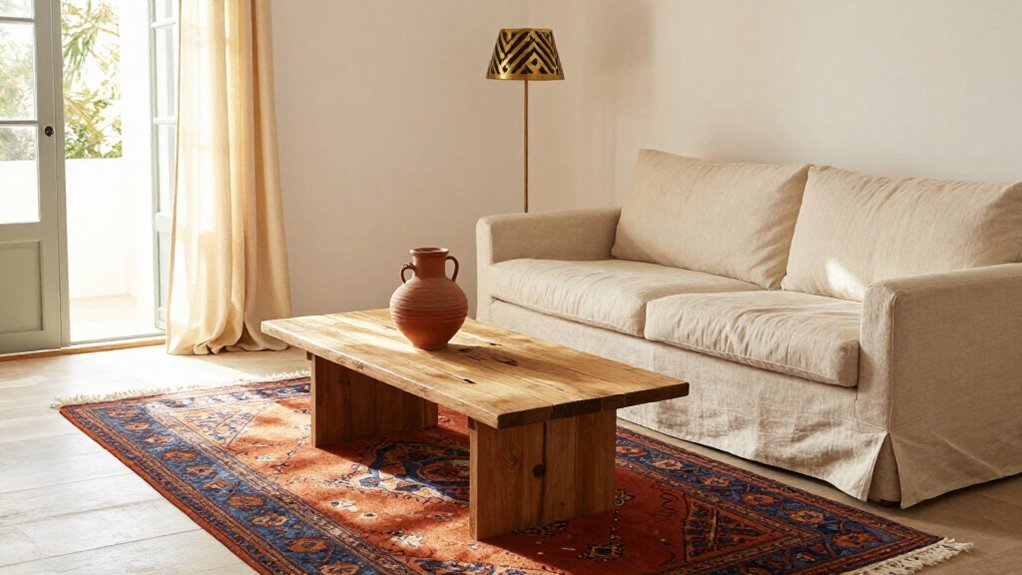
Where do you begin when the options feel endless? You start Pinning with one piece you love, a textile, tile, or artwork that captures your eye, and you let it become your jumping off point. This single item reveals your color scheme, showing you which Paint Colors will actually work before you commit.
You use it to Design A Room because matching fabric to paint proves far easier than the reverse, and you let it guide materials without forcing a theme. You create a room by building a mood board, pinning 40–50 images that share the same vibe, then you refine until you know your style.
You test the springboard with samples in natural light, checking one side against another, and you imagine how it might change a different room entirely.

Enhances Fabric Paint Performance – Specially formulated to improve flow, flexibility, and adhesion of Bluebird Fabric Paints on textiles

18 VIBRANT COLORS WITH STENCILS : Shuttle Art fabric paint set contains 18 colors soft fabric paint in bottles (60 ml/2 oz), 3 brushes, 1 palette and 18 patterns sticker stencils, perfect for various textile paintings and art crafts

Turns acrylic paints into fabric paints
Pick 3–5 Colors That Mix, Not Match
Although you have found your springboard piece, you cannot simply scatter its colors at random and expect cohesion. You will select a rough palette of 3–5 colors that mix rather than match. Ensure each hue recurs across the room in at least two places, such as a rug echoing a pillow or art drawing from the same mid-tone.
Choose a rough palette with light, mid-tone, and dark shades to build depth. Combine warm and cool tones deliberately, like woods against blues, for visual balance. Use neutrals as your foundation on large surfaces so your 3–5 colors stay controlled.
More color and pattern contrast energizes the space, while too little flattens it. Every element in your interior design must serve this palette, or the room loses clarity.

Professional Mask Tape - Multi-Surface adhesive tape made of high quality blue crepe paper not easy to lift or curl, has sunlight, UV, heat, moisture resistant, sturdy to use. So, blue tape painters tape is very much suitable for indoor and outdoor, office, home decoration, classroom. And, its paper use environment friendly material, harmless to human body, using blue paint tape can reduce the natural burden. Excellent blue masking tape for packaging, closing, and light duty masking and sealing.

BLUE PAINTER'S TAPE: Includes One 1.88 in x 60 yd roll of ScotchBlue Original Painter's Tape, a blue masking tape for painting that helps protect surfaces by preventing paint bleed

READY. SET. TAPE!: 1 roll of 1.41 inches x 60 yards tan Scotch General Purpose Masking Tape, a versatile solution for painting, labeling, bundling and general masking applications on non-damageable surfaces with a 3-inch core
Mock Up Your Room in Keynote or Slides
Because visualizing a room in three dimensions proves difficult for most people, you’ll want to build a digital mockup before you commit to any purchases. To mock up your room, open Keynote, Google Slides, or Canva, select a white horizontal layout, and insert a mood-board frame where you’ll arrange your space.
Screenshot large furniture, major textiles, or springboard objects, then use Command + Shift + 4 to capture clean images for drag-and-drop placement. Resize and rotate these screenshots to approximate real proportions, matching key dimensions from your floor plan so scale looks believable.
Lay out your furniture in layers: start with rough arrangements, then build supporting elements. Create multiple boards to test combinations quickly. Group several sofa and coffee table pairings so you can compare cohesion, color alignment, and visual balance. This step process reveals which configurations yield a room that looks balanced before you spend money.


Large 8.5 x 11 quad-ruled graph paper notebook with 100 sheets for math, science, and engineering
Set Your Budget, Then Buy Furniture First
Before you browse a single showroom or fill a cart online, you’ll need to lock down a realistic budget and divide every potential purchase into three clear buckets: “essentials,” “nice to have,” and “not a priority.” This sorting keeps you honest about what the room actually requires versus what simply catches your eye. Pad the total by roughly ten percent for the overruns that inevitably accompany delivery fees, tax surprises, or a fabric upgrade you didn’t plan for; use twenty percent if you’re gutting an old kitchen.
Have that hard budget conversation with yourself or your partner, because foundation furniture costs a lot of money and anchors the entire room. You would love to grab that accent chair right away, but resist. Buy your sofa, bed frame, or dining table first; these pieces dictate layout, scale, and upholstery choices. Matching furniture becomes much easier when you build around these anchors.
For a home office, prioritize the desk and ergonomic chair before shelving. Track everything in a spreadsheet with real links, and get three contractor bids upfront to protect your timeline and your wallet.

【𝐍𝐞𝐰 𝐁𝐫𝐞𝐚𝐭𝐡 𝐨𝐟 𝐋𝐢𝐟𝐞】:Everyone needs a practical shelf. This hanging wall shelf matches greenery year-round for a natural look. It beautifully displays plants, brings vintage and rustic charm to your home, and refreshes your space as stylish boho wall decor.

【Impressionist Floral Bridge Wall Art】 Inspired by Monet’s impressionist style, framed canvas wall art features a rose-covered garden bridge, a peaceful pond, and a graceful duck—bringing timeless charm and artistic elegance to your space
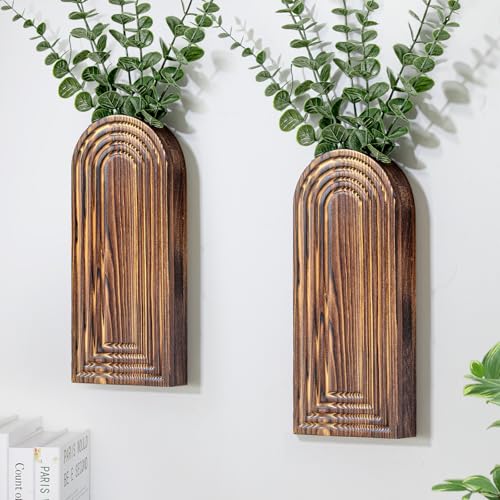
Handmade Craft: Includes two unique wooden wall planters for art decor, these wall mounted planters and vases are perfect for adding a touch of greenery to bathroom, entryway, hallway, Dining Room, Narrow Spaces